
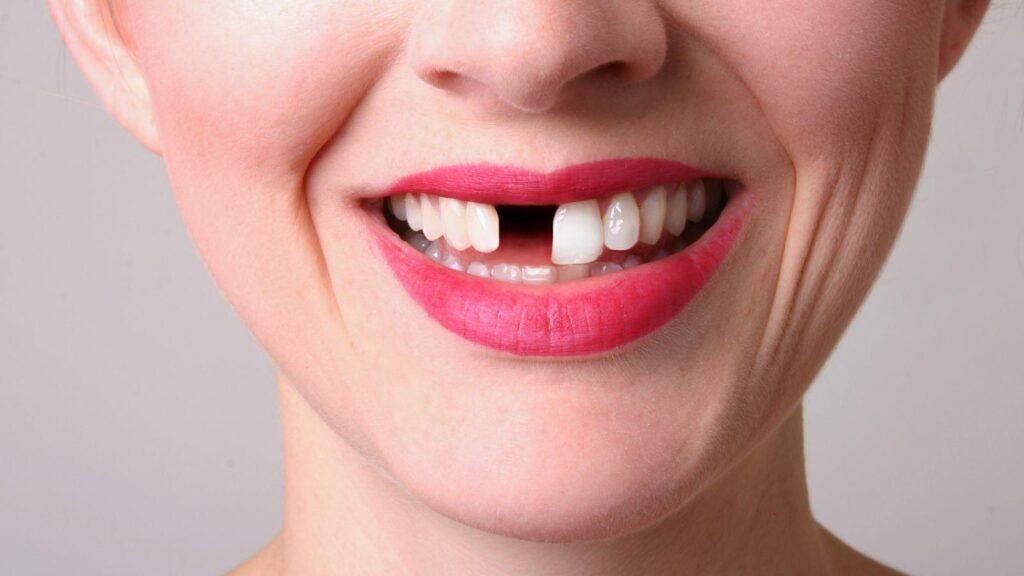
Missing teeth can mess with how you eat, talk, and even how you feel about your smile. In Las Vegas, though, you’ve got options that can restore both the look and the function of your teeth.
Dental implants in Las Vegas, Nevada, bridges, and dentures all offer ways to replace missing teeth. Implants feel the most natural and last the longest. Bridges can work for gaps between teeth, and dentures are the most budget-friendly if you need to replace a lot of teeth.
Let’s break down why people lose teeth, the ups and downs of each replacement, and what matters most if you’re seeking care in Las Vegas. We’ll cover cost, recovery, and what it really takes to keep your new teeth in good shape.
Understanding Tooth Loss and Its Consequences
Losing teeth isn’t just about the gap in your smile. It can change how you chew, speak, and even the shape of your jaw.
You might notice your other teeth shifting around, which can make cleaning tricky and increase your risk for more dental problems.
Common Causes of Missing Teeth
Tooth decay and gum disease lead the pack—untreated cavities can destroy teeth, and gum disease eats away at the bone that holds them in.
Accidents, sports injuries, or a simple fall can knock out or break teeth in a flash.
Some folks never develop certain teeth at all, so they have to plan early.
If you’ve got certain medical conditions—like diabetes or cancer—or need treatments like head and neck radiation, your risk of tooth loss goes up.
Some meds dry out your mouth and make cavities more likely, too.
Impact on Oral Health and Daily Life
When you lose a tooth, chewing changes. You might start avoiding tough foods—think steak, nuts, or raw veggies.
Missing front teeth can mess with your speech, making sounds like “s,” “f,” or “th” tricky or even causing a lisp.
Other teeth can drift into the empty space, which throws off your bite and makes brushing harder. That just opens the door to more cavities and gum problems.
The bone under the missing tooth starts to shrink since it’s not getting any action from chewing. Over time, this can change your face shape and make getting implants harder down the road.
Let’s be real: missing teeth can make you self-conscious at work or out with friends, especially if you’re worried about your smile or what you can eat.
Progression of Untreated Gaps
After a tooth comes out, the bone underneath starts shrinking—usually fastest in the first year.
If you leave the gap alone, the ridge gets thinner and shorter, sometimes making implants impossible without extra procedures.
Nearby teeth can tip or slide into the space, creating bigger gaps or crowding. That lets plaque build up and can speed up gum disease.
Sometimes the tooth above or below tries to “grow” into the empty space, which messes up your bite and can even cause jaw pain.
Wait too long, and you might need bone grafts or more complicated fixes instead of a simple replacement.
Types of Tooth Replacement Solutions
You’ve got options, and they’re not all equal. Think about how many teeth you’re missing, the health of your jawbone, your budget, and how much you care about things feeling natural.
Dental Implants and Their Benefits
Dental implants are titanium posts that your dentist places into your jaw. After a few months, once your bone grows around them, they top it off with a crown that looks and works like a real tooth.
Why do people love them?
- They last a long time—sometimes decades if you take care of them.
- They keep your jawbone healthy by giving it something to “chew” on, so your face shape stays the same.
- Chewing feels almost like it did before, and you don’t have to worry about slipping.
But implants aren’t for everyone. They cost more up front, you need enough bone (sometimes you’ll need a graft), and the whole process takes a few months.
If you smoke or have uncontrolled diabetes or gum disease, implants might not work as well.
Dental Bridges: Features and Suitability
A dental bridge fills the gap by anchoring to the teeth next to it (or sometimes to implants).
There are a few types:
- Fixed bridges get cemented to the neighboring teeth, but those teeth have to be filed down first.
- Cantilever bridges hang off just one tooth—usually when there’s nothing on the other side.
- Implant-supported bridges use implants instead of natural teeth for support.
Bridges can look good and let you chew better, usually within a few weeks.
They don’t stop bone loss where the tooth was unless you use implants.
They last 5–15 years if you keep them clean, but you’ll need to pay attention to brushing and flossing around them.
Removable Dentures: Advantages and Drawbacks
Dentures can replace some or all your teeth. You can take them out to clean, and they’re held in by clasps, adhesives, or just suction for full upper dentures.
Why go for dentures?
- They’re usually the cheapest and fastest option.
- No surgery needed—good if you can’t or don’t want to go through that.
But there are trade-offs:
- Chewing isn’t as strong as with implants, and you’ll probably have to skip some foods at first.
- The bone under dentures keeps shrinking, so they might stop fitting well and need relines or a whole new set every few years.
- They can slip or cause sore spots, but adhesives and check-ups help.
Implant-Supported Dentures vs. Traditional Options
Implant-supported dentures snap onto two or more implants, so they’re way more stable than regular dentures.
You get:
- Better chewing power and less slipping.
- Less bone loss than with old-school dentures, since the implants keep your jawbone active.
Downsides? They cost more and need surgery, and you might need bone grafts.
It takes a few months to finish, and cleaning depends on whether the denture is fixed or removable.
If you want fewer problems with slipping and better function, implant-supported dentures usually hit the sweet spot between cost and performance.
Making the Right Choice in Las Vegas
So, what’s the best way forward? You’ve got to weigh your health, your wallet, and what you want long-term.
Las Vegas dentists offer a range of skills and technology, so what’s available and affordable can really depend on where you go.
Factors That Influence Treatment Selection
Start by checking your oral health—do you have enough bone, healthy gums, and decent neighboring teeth? If so, implants are usually the best bet for the long haul. If not, you might need a bridge or even some grafting.
Think about how many teeth you’re missing and where they are. If it’s just one front tooth, an implant or adhesive bridge can look great. If you’re missing a bunch in a row, a bridge or implant-supported denture can make more sense.
Your habits matter, too. Smoking and untreated gum disease make implants less likely to work out.
Recovery and upkeep are part of the package. Implants need surgery and follow-ups; bridges are less invasive but do affect the teeth next door. Removable dentures need daily cleaning and the occasional adjustment.
Local Dental Expertise and Technology
Pick a Las Vegas dentist who’s upfront about the brands they use and what tech they have. Clinics with cone-beam CT scans and digital impressions can spot problems before they start.
Ask if they use surgical guides or in-house milling for crowns. It’s not just fancy—it can mean a better fit.
Check out the dentist’s credentials. Board-certified prosthodontists, oral surgeons, or general dentists with lots of implant training are solid choices. Don’t be shy—ask for before-and-after photos of cases like yours.
Look into which dental labs they use and what their warranty covers. Labs using CAD/CAM tech usually make better-fitting crowns and bridges. Find out who handles emergencies or complications after surgery.
Cost Considerations and Insurance
Get a clear estimate that breaks down imaging, surgery, grafting, the new teeth, and all the follow-ups.
In Las Vegas, a single implant costs more up front than a bridge, but it can last longer, so you might save in the long run.
Check your insurance. Most plans help with bridges or dentures, but not always with implants. Ask your dentist to send pre-treatment estimates to your insurer, and see if they offer payment plans or financing.
Don’t forget the hidden costs—time off work, extra appointments, or extra procedures like grafts or sinus lifts.
Long-term, you’ll need to budget for cleanings, possible screw tightening for implants, and replacing removable dentures when they wear out.
What to Expect During Consultation
Bring your recent dental records and X-rays to the appointment. Jot down your medications so you don’t forget anything important.
You’ll probably get a clinical exam. The dentist might also order a CBCT scan or a panoramic X-ray to get a good look at your bone and gum health.
Your dentist should walk you through the options that make sense for your mouth. They’ll point out the pros and cons, and ideally, hand you a written treatment plan with timelines.
They’ll explain what happens during the surgery and how the prosthetic part works. Risks like infection or implant failure—especially if you’ve got health stuff going on—should come up in the conversation.
Don’t leave without asking about follow-up visits and who to call if something feels off. Make sure you get all the costs and warranty details in writing; it’s just smart to compare clinics before you decide.