
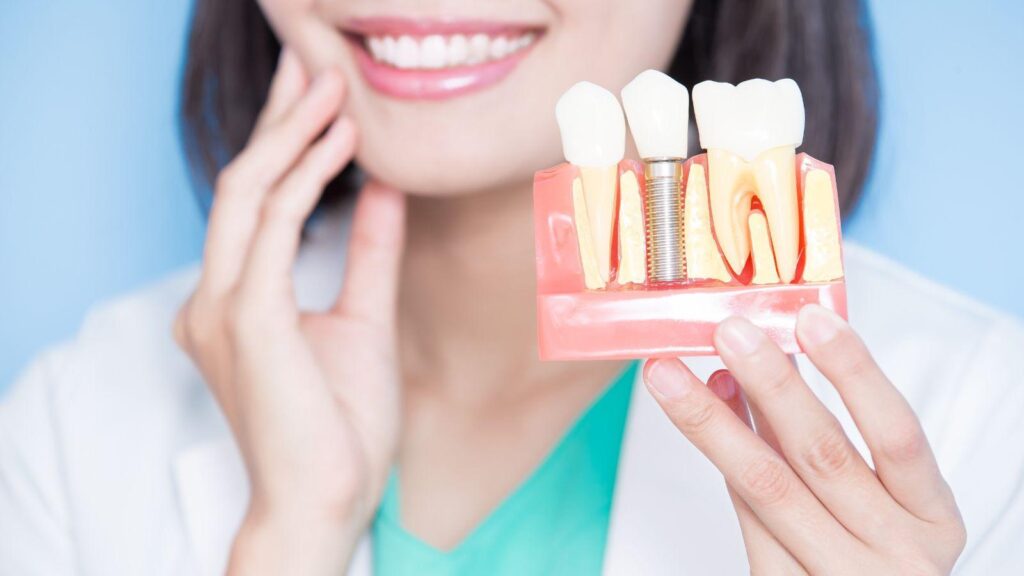
If you’re after a permanent full-arch replacement but don’t want an implant for every single tooth, All-on-4 implants in Palm Harbor might just be your answer. You get a fixed set of teeth supported by four carefully positioned implants.
This approach restores your smile and chewing ability fast—sometimes even on the day of your surgery. It usually means less bone grafting and a shorter treatment timeline.
You’ll see how the implants are placed, how the same-day temporary teeth work, and how All-on-4 stacks up against other full-arch options. That way, you can weigh stability, cost, and recovery for yourself.
We’ll also talk about what to look for in a Palm Harbor implant specialist, so you can move from researching options to actually making a plan for your new smile.
How All-on-4 Dental Implants Work
You get a full-arch prosthesis anchored by four implants, designed for immediate function and predictable stability. This setup aims to restore how you chew, speak, and look, but with fewer implants than the old-school full-arch approaches.
The process balances surgical placement, prosthetic design, and material choices. It’s honestly a lot less intimidating than it sounds once you see it broken down.
Implant Placement Process
Your surgeon will place two implants in the front of your jaw vertically, and two in the back at a pretty steep angle—usually between 30 and 45 degrees. This angled placement grabs more bone in the back and often skips the need for sinus lifts or bone grafts.
The whole thing starts with 3D imaging—CBCT scans and digital impressions. You’ll get local anesthesia with sedation, or sometimes general anesthesia if that’s what you prefer or need.
The implants go into carefully prepared sites, and in most cases, you’ll walk out with a temporary set of teeth attached that same day. The implants then integrate with your bone over time.
Immediate Function and Stability
You can often leave the clinic with a fixed temporary arch the day of your surgery. That means you get your smile and function back almost instantly.
This provisional prosthesis is screw-retained and adjusted to spread the biting forces evenly across all four implants. That helps protect the implants as they settle in.
Your dentist will measure how stable the implants are at placement. If they’re solid enough, you get immediate loading. If things feel a bit borderline, they might delay final loading or use a reinforced temporary to keep things stable while you heal.
Types of Prosthetic Materials
You’ve got options here. Acrylic teeth on a titanium bar are lighter and less expensive, plus they’re easier to fix if something chips.
A hybrid prosthesis mixes acrylic teeth with a strong metal framework underneath for extra support.
Full-contour zirconia bridges are super strong, resist wear, and look more like natural teeth. Adjusting them chairside is tough, though.
You and your dentist will talk through durability, looks, repairability, and cost. The lab makes your final prosthesis after you’ve healed, using digital scans and try-ins to get the fit and bite just right.
Longevity and Maintenance
With good care, All-on-4 prostheses can last for many years. Still, parts may need maintenance or replacement down the road.
Expect checkups at 1, 3, and 6 months after placement, then every 6–12 months for exams and X-rays.
At home, brush your prosthesis, clean under and around the arch with interdental brushes or a water flosser, and use antimicrobial rinses if your dentist suggests it. Try not to bite down hard on just one tooth to avoid stressing the prosthesis.
Your dentist will keep an eye on things like bone loss, implant movement, loose screws, or wear. They’ll handle professional cleanings and repairs as needed.
Comparing All-on-4 to Other Full-Arch Solutions
All-on-4 uses four well-placed implants to support a fixed set of teeth. This approach usually skips bone grafts and speeds up the process.
Other options? Removable implant-supported dentures, All-on-6 or All-on-8 fixed bridges, or even an implant for every missing tooth. Each comes with its own trade-offs in stability, price, and complexity.
Traditional Dentures vs. Implant Solutions
Traditional dentures just sit on your gums and depend on suction or sticky adhesives. You’ll likely have less chewing power, more movement, and need frequent relines as your bone changes over time.
Implant solutions anchor to your bone and bring back real bite force and stability. Even a removable implant-supported denture (snap-in style) holds better and slips less than a regular denture.
Fixed implant bridges don’t come out, so they feel much closer to natural teeth. Implants also mean fewer dietary restrictions and less trouble with speech.
Maintenance is different, too. You clean fixed prostheses like regular teeth, while removable dentures need to come out at night and get relined now and then.
All-on-4 vs. All-on-6 and Individual Implants
All-on-4 uses four implants, angling the back two to grab more bone. This often avoids sinus lifts and bone grafts, saving you time and money. You can usually get a temporary set of teeth right away.
All-on-6 adds two more implants, spreading out the load and adding some backup. That can mean better long-term stability if you’ve got the bone and are okay with more surgery and cost.
All-on-8 or individual implants (one per tooth) give the most support, but they need the most bone, time, and investment.
If you want to keep costs down and finish treatment faster, All-on-4 is appealing. If you’re after maximum support and don’t mind the extra steps, more implants might be worth it.
Candidacy and Suitability Factors
Your bone volume and quality really decide which option works. If you’re low on bone in the back and want to avoid grafting, All-on-4’s angled approach often does the trick.
Your health, whether you smoke, and medical conditions like uncontrolled diabetes all play a part in healing and implant success.
Budget and timing count, too. All-on-4 usually costs less and gets you teeth quicker. If you want the very best chewing efficiency and are willing to go through grafting, more implants or individual replacements might be better.
Fixed All-on-4 bridges are tough to modify later but need less daily fuss. Removable options are easier to adjust but require more handling. Talk through your goals, eating habits, and willingness for extra surgeries with your dentist to pick what fits.
Choosing a Palm Harbor Dental Implant Specialist
Pick a provider who combines proven training, modern tech, and a treatment plan that actually fits your mouth, your timeline, and your wallet.
Look for real credentials, up-to-date equipment, and a consultation process that lays out your options, risks, and costs in plain language.
Credentials and Experience
Find a dentist or oral surgeon with board certification or fellowship training in implant dentistry, periodontics, or oral/maxillofacial surgery. Ask how many years they’ve done implants and how many All-on-4 cases they do each year. More experience usually means a smoother process.
Ask if they keep up with hands-on courses in full-arch protocols and prosthetic workflow—ideally within the last three years. Request before-and-after photos and see if you can talk to local patients who’ve had All-on-4 done there.
Make sure they handle complications themselves, like implant failure or prosthesis adjustments, instead of sending you elsewhere.
Advanced Technology and Facilities
The clinic should use cone beam CT (CBCT) for 3D bone scans and digital planning. CBCT helps check sinus anatomy, nerve locations, and bone volume—key for planning those angled implants.
Look for in-office guided surgery systems or CAD/CAM tech for making temporaries and placing implants precisely. A surgical suite with sterile protocol, an on-site lab or digital milling, and IV sedation options all boost safety and convenience.
Don’t be shy—ask how they handle sterilization and emergencies. It’s your mouth, after all.
Patient Consultation and Planning
When you show up for your consultation, expect a pretty detailed process. The provider will want your full medical and dental history.
They’ll usually take CBCT scans and clinical photos. Then comes a rundown of all treatment phases—sometimes a lot to take in.
You should hear about at least two prosthetic options. That means they’ll talk you through different materials and whether you’ll get provisionals or jump straight to the final prosthesis.
Ask for a clear, step-by-step schedule. It’s helpful to know when you can expect to hit certain healing milestones, even if things sometimes change.
Don’t forget to request an itemized cost estimate. Make sure it breaks down surgery, implants, prosthesis, imaging, and follow-ups separately, so you know exactly what you’re paying for.
If you need it, ask about financing or insurance options. It’s a hassle, but worth it.
You should get written consent that spells out the risks, success rates for patients like you, and what happens if something goes wrong or you lose an implant. It’s not fun to think about, but you want to know the plan.