
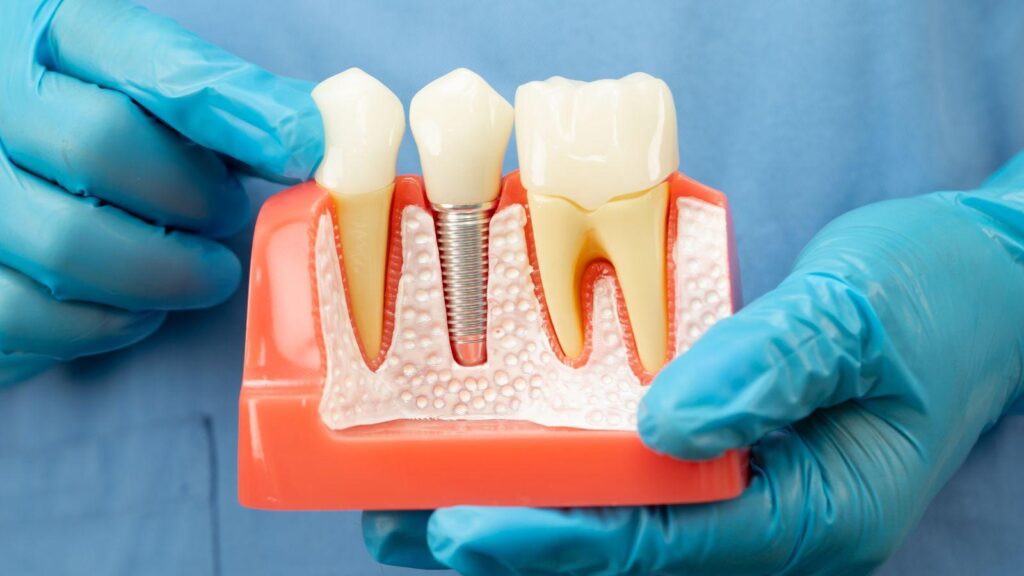
When a tooth fails, you’re stuck choosing between two pretty different fixes. You can go with a crown that caps and preserves what’s left, or an implant that replaces the whole tooth root and crown.
Honestly, implants usually outlast crowns. They restore bone support and don’t depend on a compromised natural tooth. Still, the best choice really depends on your tooth’s condition, your overall oral health, and—let’s be real—your budget.
You’ll see how implants and crowns differ in structure, how long they last, and which situations favor one over the other. When a crown is the right call, dental crowns by Borderview Dental in Blaine, WA can restore the tooth while preserving as much natural structure as possible. We’ll dive into real-world factors like bone health, tooth salvageability, costs, and healing, so you can balance durability with practicality.
Fundamental Differences Between Dental Implants and Crowns
Let’s break down how each option is built, how it’s placed in your mouth, and what it actually does day to day. These differences shape longevity, cost, and the kind of care you’ll need.
Materials and Construction
A dental implant has three parts: a titanium (or titanium-alloy) implant post that acts as the new root, an abutment that joins the post to the visible part, and a crown that matches your other teeth. Titanium fuses with bone (that’s osseointegration), so the implant stays put. Most implant crowns use zirconia or porcelain-fused-to-zirconia for strength and looks.
A traditional crown, on the other hand, just caps an existing tooth that’s been prepped. Crowns come in porcelain, porcelain-fused-to-metal (PFM), zirconia, or gold. The natural tooth stays underneath, so how well the crown fits and the health of what’s left of the tooth really matter.
Placement Procedures
Getting an implant means you’ll need surgery to insert the titanium post into your jawbone—usually under local anesthesia. Then you wait weeks or even months for the bone to fuse before the abutment and final crown go on. If your jawbone’s thin, you might need a bone graft, which adds time and cost.
Crown procedures are way faster. Usually, it takes two visits: one for prepping the tooth and taking impressions (or a digital scan), and another for cementing the permanent crown. Sometimes you get a temporary crown while you wait. Since you keep your root and avoid bone surgery, it’s less invasive.
Primary Functions
An implant replaces the whole tooth unit—root, support, and crown. This lets you chew almost like normal, keeps surrounding bone from shrinking, and stops neighboring teeth from drifting. Implants work on their own and don’t need help from nearby teeth.
A crown restores the look and function of a damaged but still-rooted tooth. People use crowns for big fillings, fractures, or after a root canal. Crowns protect what’s left of the tooth and spread out chewing forces, but they can’t stop bone loss or replace a missing root.
Longevity Factors and Lifespan Comparison
Implants and crowns both have predictable lifespans, but for different reasons. Implants lean on bone and soft-tissue health. Crowns depend on the material and the condition of the tooth underneath. How you care for your mouth—brushing, flossing, avoiding bad habits—makes a big difference in which part gives out first.
Biological Integration and Stability
A dental implant fuses with your jawbone through osseointegration. If that process goes well and you keep your bone healthy, the implant itself can last decades.
But things like bone loss, uncontrolled diabetes, smoking, or poor hygiene can mess things up. These issues can make the implant loose or infected, and sometimes you have to remove it.
Crowns sit on either a natural tooth or an implant abutment. If it’s on your own tooth, the crown’s life really depends on the health of what’s underneath—decay or root fractures can ruin stability.
If your tooth has had a root canal or lost a lot of structure, it’s just not as sturdy. Even a perfect crown won’t last long with a weak foundation.
Resistance to Wear and Failure
Implant fixtures—those metal or ceramic posts—stand up to corrosion and wear way better than natural tooth roots. The implant body rarely fails from just wear.
But the parts on top—the abutment and crown—take most of the beating. Too much force can crack or loosen them. Zirconia and titanium are tough, while porcelain fused to metal is good but can chip.
Natural teeth under crowns still wear down, get cavities, or break. Full metal crowns barely wear, but all-ceramic ones look nicer and chip more easily.
If you grind your teeth, eat a lot of hard stuff, or drink acidic things, you’ll wear crowns out faster. Night guards can help if you’re a grinder.
Maintenance Requirements
Implants need regular checkups to watch bone levels, check for inflammation, and keep things clean. You’ll want to use special brushes or floss to get around the implant.
Seeing your dentist regularly helps catch early problems like peri-implant mucositis before it turns into bone loss.
Crowns need careful cleaning, especially around the edges where bacteria sneak in. Floss gently at the crown-tooth line and skip using your teeth to open stuff.
If your crown sits on a root-canaled tooth, watch for infection or root cracks—these often mean you’ll need a new crown or even an extraction.
Common Causes of Replacement
Implants usually need replacing because of biological problems: bone loss from infection, untreated issues, or trauma that damages the bone.
Mechanical problems—like loose screws or broken abutments—happen too, but dentists can often fix these without pulling the implant.
Crowns get replaced for material failure (wear, chipping, fracture), cavities under the edge, or just because they don’t look good anymore.
If the tooth root is cracked or keeps getting infected, you’ll probably lose the crown and the tooth. You can stretch out the crown’s life by keeping decay in check, protecting against grinding, and picking the right material.
Suitability and Patient Outcomes
You’ll want to weigh candidacy, aesthetics, and how each choice affects your mouth long-term. Both options impact bone, neighboring teeth, and what you’ll need to do for upkeep.
Candidacy Criteria
You’re a good candidate for an implant if you’ve got enough jawbone, your health’s decent, and your gums are under control. Smoking, uncontrolled diabetes, or recent head and neck radiation make things riskier and might mean you need extra steps or a doctor’s OK.
For a crown, you need enough healthy tooth above the gum and either a healthy nerve or a successful root canal. Crowns work well for people who want to keep their bite and skip surgery, but you do lose some tooth structure.
Time and money matter, too. Implants take months and sometimes need grafts; they cost more upfront. Crowns are quicker and less invasive but depend on the tooth’s long-term outlook.
Aesthetic Considerations
If looks are a big deal—especially up front—focus on gum contours and papilla (those little triangles between teeth). Implants can look really natural if placed well, but sometimes need custom abutments or gum grafts to blend in.
Crowns on natural teeth often match color and translucency beautifully, since you can shape the tooth underneath for the best result. But if the tooth is dark or heavily filled, getting a perfect match might mean extra steps like internal bleaching or adding a post-and-core.
Ask your dentist about temporary (provisional) restorations. They let you see what the final result will look like and help your gums heal around the new tooth or crown.
Impact on Oral Health
An implant preserves adjacent teeth because it replaces a missing root without altering neighbors. You’ll also keep more bone height when the implant fuses with your jaw, which often means less ridge resorption over time.
Still, implants demand careful daily cleaning. If you skip plaque control, peri-implantitis can set in fast and trigger bone loss.
A crown, on the other hand, lets you keep natural proprioception. Sometimes it’s easier to clean, depending on the margin and contour.
But prepping a tooth for a crown means removing some enamel and dentin. That can bump up the risk of fracture or even land you in need of a root canal down the line.
You’ve got to keep an eye on both options, just in different ways. Implants need regular checks for bone changes, while crowns need monitoring for decay sneaking in at the margins.
Talk with your dentist about your hygiene habits and how often you should come in. A maintenance plan that fits you really helps prevent problems, whether you pick an implant or a crown.