
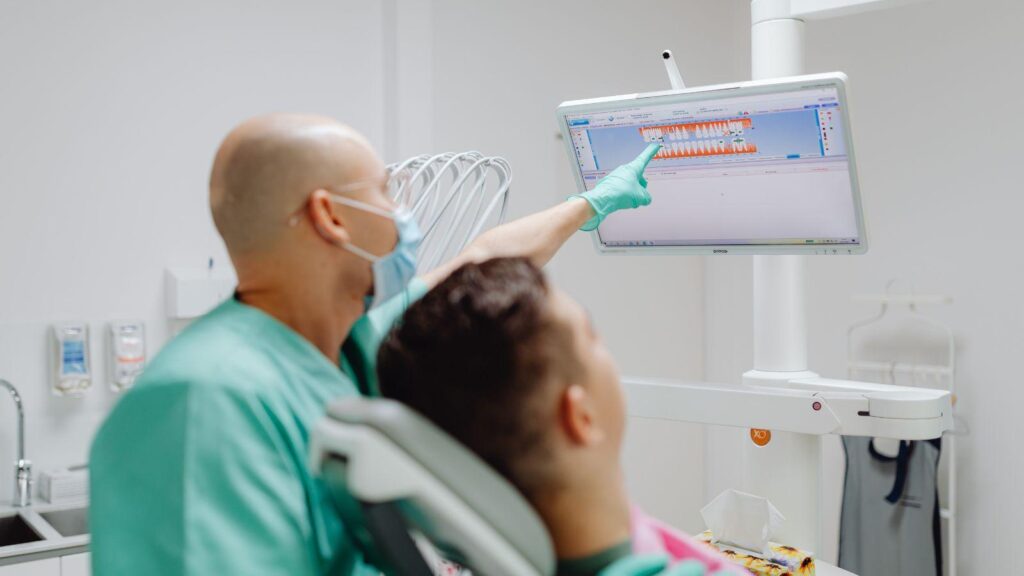
If you’re over 40 or have risk factors like tobacco or heavy alcohol use, you should get an oral cancer screening at least once a year. Younger adults with low risk might get by with screening every two or three years.
Adults at higher risk benefit from annual checks, and if a dentist finds something concerning, you might need exams every 3–6 months. That sounds like a lot, but it’s the best way to catch problems early.
A quick screening can happen during a routine dental visit and only takes a few minutes. It’s such an easy step to protect your health—booking a routine visit with a practice like Apex Dental Studio in Hutto, TX is all it takes to get one done. Why not just ask next time you’re in the chair?
Understanding Oral Cancer Risks
Your risk level depends on your habits, medical history, and what you’ve been exposed to. Knowing who’s most at risk and what to look for helps you decide when to get screened—or just gives you peace of mind.
High-Risk Groups
People who use tobacco—cigarettes, cigars, pipes, chewing tobacco, or snuff—face the highest risk. The longer and more you use, the more your risk goes up.
Men over 40 tend to get oral cancer more often, but HPV-related cases are climbing among younger adults. If you have a family history of head and neck cancers, take immunosuppressive meds, or had radiation to the head and neck, your risk goes up, too. It’s worth asking your doctor or dentist if you should be screened more often.
Common Risk Factors
Using tobacco and drinking heavily together is especially risky—more so than either one alone. Mouth, tongue, and throat cancers are most linked to this combo.
Even if you don’t smoke, high alcohol intake still raises your risk. HPV infection, especially strain 16, connects strongly to cancers at the base of the tongue and tonsils.
Chronic irritation from dentures that don’t fit or broken teeth can play a role, but it’s a weaker factor. Age over 40, being male, and certain genetic or immune conditions make a difference, too. Take a look at your own history and talk with your dentist about how often you should be screened.
Warning Signs to Watch For
Watch for mouth sores or ulcers that stick around longer than two weeks. Red or white patches, lumps, or thickened spots anywhere in your mouth or on your lips are worth noting.
Keep an eye out for pain, numbness, trouble swallowing, hoarseness, ear pain without an infection, or unexplained weight loss. If any of these pop up, call for an urgent oral exam and maybe a biopsy. Catching things early really does make a difference.
Screening Recommendations by Age and Lifestyle
How often you need a check depends on your age, habits, and medical history. If you smoke, drink heavily, have HPV exposure, or a family history of cancer, let your provider know.
Guidelines for Adults
If you’re 20–39 and have no risk factors, get a full oral soft-tissue exam every three years at the dentist. Once you hit 40, aim for a screening at least once a year as part of your regular dental or medical checkup.
If you notice persistent ulcers, red or white patches, unexplained lumps, or ongoing throat pain, don’t wait—ask for an immediate exam, no matter your age. Keep track of any lesions and how long they stick around; anything lasting more than two weeks needs a closer look or a referral.
Considerations for Tobacco and Alcohol Users
If you use tobacco or drink a lot, ask for at least an annual screening. Honestly, your clinician might suggest exams every 6–12 months, especially if they find anything odd.
During your visit, your provider should check your lips, tongue, mouth floor, cheeks, palate, and throat, both visually and by touch. They might photograph or chart anything suspicious and bring you back in a few weeks or refer you for a biopsy if something doesn’t look right.
Special Cases: Genetic and Medical Factors
If you have a family history of head and neck cancer, a history of oral cancer, or are immunosuppressed (like from HIV or transplant meds), you should ask for screenings every 6–12 months.
If you know you have high-risk HPV affecting your throat or tonsils, talk with your doctor about a tailored screening schedule. Sometimes they’ll base it more on your symptoms and what they find than a set timeline.
People with conditions like lichen planus or a history of dysplasia need close follow-up, too. Keep good notes about any changes, and follow up with ENT or oral medicine specialists if your dentist recommends it.
What to Expect During an Oral Cancer Screening
Your provider will check your mouth, throat, tongue, gums, and lips—both visually and by touch. The whole thing usually takes just a few minutes, and sometimes they’ll use special lights or dyes to spot trouble spots.
Types of Screening Procedures
A standard exam covers all surfaces of your mouth and neck. The clinician looks for patches, ulcers, or lumps, then feels your lymph nodes and soft tissues for anything firm or tender.
Some offices use extra tools like blue or fluorescent lights or dyes to highlight abnormal tissue. They might use a brush to collect cells from a suspicious area. These tests don’t diagnose cancer, but they help decide if you need a biopsy.
If your provider finds something worrisome, they’ll probably recommend a scalpel biopsy or send you to a specialist. Expect clear instructions about what happens next if more testing is needed.
Duration and Frequency of Visits
A typical screening takes 2–10 minutes during a regular dental checkup. If they use special lights, dyes, or collect cells, tack on another 5–15 minutes.
Most adults need annual screenings, but if you’re over 40 or have risk factors, checks every 6–12 months are common. Your dentist will set a schedule that fits your situation.
If you need a biopsy, you’ll come back for the procedure and at least one follow-up to discuss results and what to do next. Timing depends on clinic schedules and how urgent the situation is.
How to Prepare for an Appointment
Bring a list of symptoms, how long they’ve lasted, and any changes you’ve noticed—bleeding, soreness, trouble swallowing, that sort of thing. It helps to have a summary of your tobacco and alcohol use and any past oral surgeries or lesions.
Try not to eat, smoke, or chew gum right before your exam—makes it easier for your provider to see everything. If they’re using a dye or light test, follow their instructions about oral hygiene or meds that might interfere.
If you need a biopsy, ask about fasting, medication changes (especially if you’re on blood thinners), getting a ride home, recovery time, and what your insurance covers.
Ongoing Oral Health Maintenance
Make a habit of checking your mouth, scheduling regular screenings, and following up quickly if you notice anything weird. Small daily actions and timely care really do help catch problems before they get serious.
Self-Examinations at Home
Once a month, grab a strong light and a mirror and check your lips, cheeks, gums, tongue (top, sides, and underneath), floor of your mouth, palate, and inside your cheeks. Look for sores, patches, lumps, or spots that bleed or don’t heal.
Wash your hands and take out dentures before you start. Gently feel for any lumps or sore areas and note any changes in texture, color, or sensation compared to last month.
Keep a simple log: date, spot, what it looks like, and if it hurts. If something’s still there after two weeks, call your dentist and explain exactly what you’ve found.
Incorporating Screenings into Dental Checkups
Ask your dentist to do an oral cancer screening at every regular visit. For most adults, annual checks fit the bill, but if you smoke, drink, have HPV, or have had lesions before, you might need more frequent exams.
Bring your self-exam notes to your appointments and point out any changes you’ve tracked. Dentists will do a visual and manual check and may use special tools if something looks off.
If your dentist suggests coming in more often than once a year, ask why and get it on the calendar. For high-risk folks, exams every 3–6 months can make a real difference.
Post-Screening Steps and Follow-Up Care
If the exam turns up a suspicious lesion, your dentist will usually recommend one of three things. They might suggest a short-term recheck, a biopsy, or an immediate referral to a specialist.
They should walk you through their reasoning and give you clear instructions, either written or verbal. If you end up needing a biopsy, stick closely to the care instructions.
Don’t smoke, keep the area clean, and take any pain meds or antibiotics as prescribed. Make sure you know when to expect pathology results and who to call if something feels off.
After you get a diagnosis or even if the results are negative, follow the monitoring schedule your dentist recommends. Keep your appointments, jot down notes in your self-exam log, and talk about lifestyle tweaks—like quitting tobacco, cutting back on alcohol, or maybe getting the HPV vaccine if it fits your situation.