
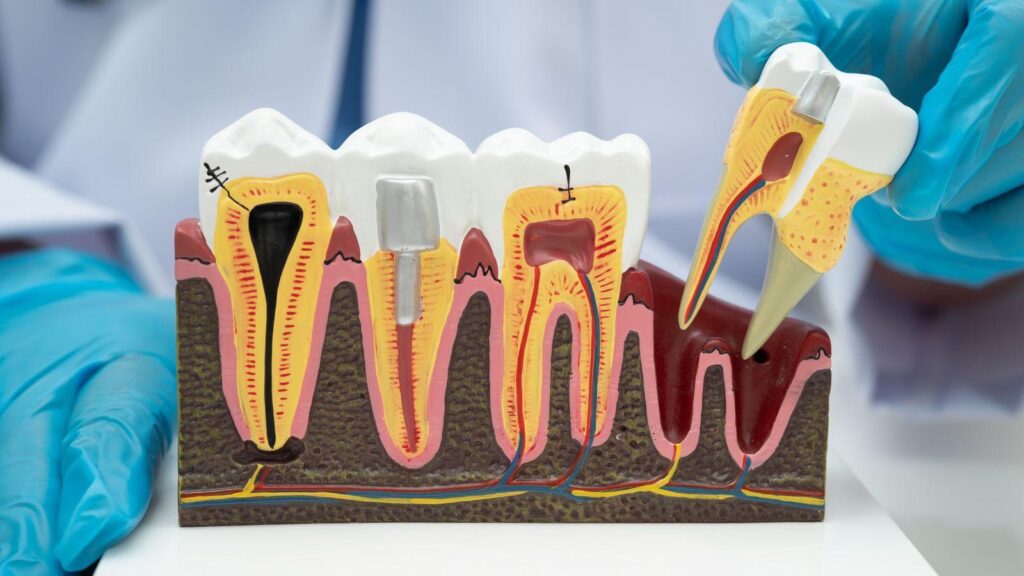
You probably picture a long, painful appointment when someone says “root canal.” That idea comes from old stories, not what actually happens now.
Root canals in Inglewood usually stop pain, save your natural tooth, and feel a lot like other routine dental work. Local anesthesia and better techniques make all the difference.
I’ll walk you through how the procedure works, clear up myths that keep people from getting care, and give you a real sense of what recovery looks like. Knowing the facts can help you make a calmer, more informed choice—fear shouldn’t get the last word.
How Root Canals Work
Let’s talk about what really happens. The dentist removes infected tissue, uses precise instruments and imaging, and keeps you comfortable with anesthesia.
You’ll see each step, the modern tools involved, and what numbing and pain control actually feel like.
Steps of the Procedure
First, the dentist examines your tooth and takes X-rays or a CBCT scan to see the root canals and spot infection. You get local anesthesia, then a rubber dam goes around the tooth to keep it dry and clean.
The dentist makes a small hole through the crown to reach the pulp chamber. Using tiny endodontic files, they remove infected pulp and shape each canal for cleaning and filling.
They flush out debris and disinfect the canal system with sodium hypochlorite and other solutions. After that, the canals get dried and filled with gutta-percha and a sealer to keep bacteria out.
Most teeth get a permanent filling or crown to restore strength and function. For molars and premolars, most dentists recommend crowns after a root canal.
Modern Tools and Technology
Dentists now use high-magnification microscopes and LED headlamps to see details the eye just can’t catch. Electronic apex locators measure canal length accurately, so you don’t need as many X-rays.
Rotary nickel-titanium (NiTi) files—sometimes machine-driven—make shaping faster and more reliable. Cone-beam CT (CBCT) scans give a 3D view for tricky cases or retreatments.
Ultrasonic and sonic irrigation systems help disinfectant reach all those tiny spaces. Bioceramic sealers and better filling techniques make for a tighter, longer-lasting seal.
These upgrades mean less chair time and better odds of success.
Role of Anesthesia
Local anesthesia blocks nerve signals at the tooth and surrounding area, so you’ll feel pressure but not pain. Your dentist will check that you’re numb before starting and can give extra numbing if needed.
If you’re anxious, nitrous oxide (laughing gas) or oral sedatives can help you relax. General anesthesia is rare—usually only for severe anxiety or complex cases.
Afterward, expect mild soreness once the numbness fades. Most people do fine with over-the-counter pain meds, and antibiotics only if there’s an active infection.
Common Myths vs. Reality
Myths about pain, long-term results, and scary health risks just won’t go away. Here’s what actually happens during and after treatment, based on real evidence.
Pain Perceptions and Truths
Modern root canals rely on local anesthesia that numbs the area. You might feel some pressure, but sharp pain is rare if the anesthesia works as it should.
Soreness for a few days after treatment is normal while tissues heal. Ibuprofen or acetaminophen usually takes care of it; your dentist might suggest something stronger or antibiotics if needed.
If you came in with severe tooth pain, the procedure often brings relief by removing the infected nerve. Tell your dentist about any past anesthesia issues, medications, or anxiety—sedation options can make things easier.
Success Rates and Longevity
Modern techniques and materials give root canals a high success rate—usually 85% to 97% when done right. Success depends on how much tooth is left, if there was a big infection, and how soon you get a permanent restoration like a crown.
A well-treated root canal tooth can last for many years, even a lifetime, if you keep up with oral hygiene and dental visits. If the tooth breaks, gets reinfected, or the crown fails, you might need retreatment or extraction—but that’s not the norm.
Ask your dentist to keep records and images so you can track healing. Getting the permanent restoration done soon and keeping up with check-ups helps your odds.
Impact on Overall Health
There’s just no strong evidence that root canals cause systemic disease. Big reviews and dental organizations agree—properly treated root canal teeth don’t lead to arthritis, heart disease, or other chronic illnesses.
Leaving an infected tooth untreated is the real risk: the infection can spread locally, cause an abscess, or rarely, become systemic. Treating the tooth reduces bacteria and inflammation, which is better for your comfort and health.
If you have a certain medical condition—like immune disorders or prosthetic joints—let your dentist and doctor know. They can plan extra precautions, like antibiotics or specific timing, based on current guidelines.
What to Expect During Recovery
You’ll probably have mild-to-moderate soreness for a few days, but it’s usually manageable with meds and a little care. There’s a short list of home-care steps, a few warning signs to watch for, and most people are back to normal within a week.
Typical Aftercare Instructions
Start rinsing gently with warm salt water (1/2 teaspoon salt in 8 oz water) about 24 hours after the procedure, three times a day. This cuts down bacteria and soothes your gums.
Brush and floss the rest of your mouth as usual, but avoid brushing directly on the treated tooth until you get the permanent restoration. Take any antibiotics exactly as prescribed, and use ibuprofen or acetaminophen for pain—follow the label or your dentist’s advice.
Don’t eat hard, sticky, or chewy foods on the treated side until you get a crown or the temporary filling is replaced. Temporary fillings only last a few weeks, so don’t chew on them.
If you notice excessive bleeding, press gently with gauze for 10–15 minutes. Keep your follow-up appointments for a crown or other work—waiting too long increases the risk of fracture.
Potential Side Effects
Mild pain and tenderness around the tooth and gum are pretty common for 2–4 days. You might feel some jaw stiffness from keeping your mouth open—gentle jaw stretches and a warm compress can help.
A little swelling or a small bruise near the tooth can show up, but these usually get better within a week. Sometimes nearby teeth feel sensitive to hot or cold for a short while.
Temporary fillings can chip or fall out—if that happens, avoid chewing on that side and call your dentist. Rarely, infection or persistent pain means the tooth needs another look.
Allergic reactions to meds are rare, but if you get a rash, swelling, or trouble breathing, stop the medication and seek care right away.
When to Contact Your Dentist
Call your dentist within 24 hours if severe pain keeps coming back, even after you’ve taken the usual painkillers. Don’t wait if swelling gets worse, spreads to your face or neck, or makes it hard to breathe or swallow.
If you notice a fever over 100.4°F (38°C) that just won’t go away, or there’s a foul taste or smell that lingers, let your dentist know. Pus near the tooth? That’s another red flag for infection.
Lost a temporary filling or crown? Try to get it fixed within a few days—otherwise, the tooth’s at risk for breaking or getting contaminated.
If your lip, chin, or tongue feels numb or tingly for more than a day, call the office. This could mean nerve irritation, and it’s better to get it checked out sooner rather than later.