
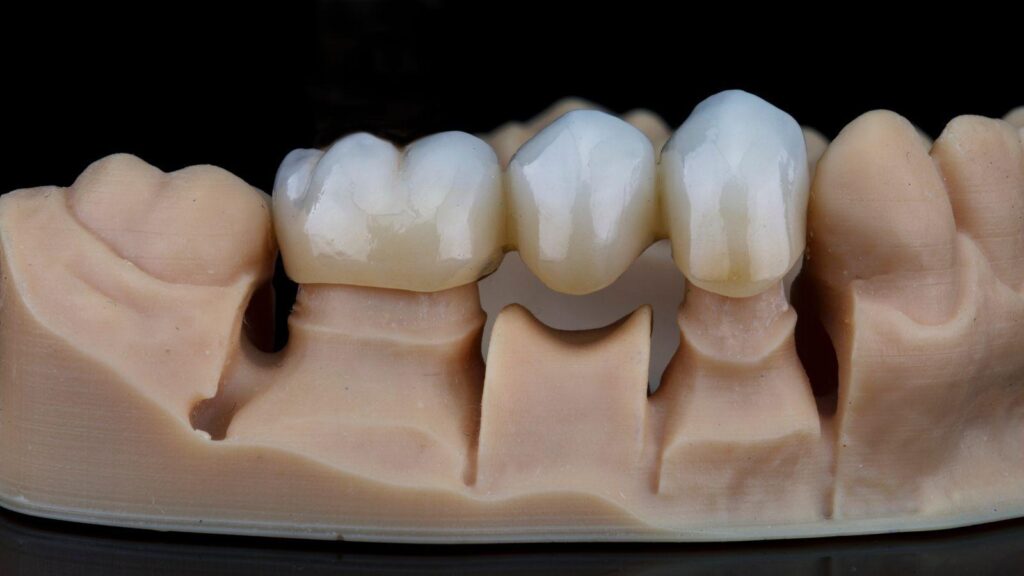
You don’t always need a crown. Dentists usually suggest them when a tooth needs more protection or support than fillings, onlays, or other fixes can give.
A crown’s necessary when the tooth’s weak, heavily filled, cracked, or just teetering on the edge of more damage. If you’re weighing whether a dental crown in Salt Lake City is the right move, your dentist weighs what’s best for you now and in the long run before making a call.
This article digs into how dentists check tooth strength, decay, old repairs, and what you’ll need from that tooth down the road. I’ll try to break down the criteria, trade-offs, and the kind of thinking dentists use to keep your smile working.
Understanding Dental Crowns
Dental crowns bring back strength, shape, and looks when a tooth’s structure just isn’t cutting it anymore. You’ll find a few different materials, and each one’s got its own pros and cons.
Crowns might protect a weak tooth, finish off a root canal, or just make a tooth look normal again.
What Is a Dental Crown?
A dental crown is basically a custom cap that fits over what’s left of your tooth. The dentist trims down the tooth, makes an impression, and then the crown covers and protects what’s left.
Crowns let you chew and bite like normal. They also stop more cracks or decay and can make a tooth look better if it’s discolored or worn down.
Usually, it takes two visits—one for prep and impressions, and another to put the crown on. Sometimes, with same-day CAD/CAM crowns, you’re in and out in one go. Technology’s moving fast, huh?
Common Types of Dental Crowns
Crowns come in different materials, and honestly, there’s no single “best” option.
- Porcelain-fused-to-metal (PFM): Pretty strong and looks natural, but sometimes the metal edge shows at your gumline after a while.
- All-ceramic or all-porcelain: These look best on front teeth, but they’re not quite as tough as the metal-based ones.
- Zirconia: Super strong and still looks good—great for molars or bridges.
- Gold or metal alloys: Tough as nails and don’t need as much tooth removed, but not everyone wants a gold tooth in the back.
Your dentist will look at where the tooth is, how hard you bite, how visible it is, and, of course, what you’re willing to spend. If you’re sensitive to metals or really care about looks, metal-free crowns might be the way to go.
Typical Uses in Modern Dentistry
Crowns do a lot. They restore, protect, and sometimes just make things look better.
- Protecting a tooth after a root canal so it doesn’t snap.
- Fixing a tooth with a big cavity or where a filling just won’t cut it.
- Replacing a missing tooth as part of a bridge—crowns anchor the fake tooth.
- Covering an implant abutment so it looks and feels like a regular tooth.
- Making a tooth look better if it’s badly discolored, weirdly shaped, or worn down.
Dentists check how much healthy tooth is left, your bite, and what’s likely to happen down the road before suggesting a crown. Sometimes, if enough tooth remains, you can get away with an onlay, partial crown, or even a big filling.
Key Factors Dentists Consider
Dentists look at how much of your tooth is gone, whether less invasive options will hold up, and your whole dental history before recommending a crown. Where the tooth is, how much it’ll cost, and the odds of it breaking again all matter too.
Extent of Tooth Damage
First, your dentist checks how much tooth is left. If you’ve lost more than half of the visible tooth to decay, big fillings, or old repairs, a crown is often the only way to make it strong again.
Cracks that run into the dentin or root? That’s a red flag. Dentists use X-rays and bite tests to see how deep the crack goes and if the tooth moves.
Teeth with lots of old fillings and thin walls can split when you chew—crowns usually prevent that. If decay reaches the pulp or you’ve had a root canal, a crown shields the tooth from breaking. Back teeth (molars) that take the brunt of chewing usually need crowns more than front teeth with similar damage.
Alternatives to Dental Crowns
Sometimes, you don’t need a crown. Fillings, onlays, or partial crowns work if the damage isn’t too bad.
Composite or amalgam fillings are fine for smaller cavities, as long as there’s enough tooth left. Onlays and inlays save more of your natural tooth than a full crown and can cover the biting surfaces to stop cracks. They work best when just one or two cusps are damaged and bond tightly to your tooth.
If the tooth’s still strong after cleaning out the decay, a big filling, well-shaped for your bite, might do the trick. It’s worth talking about how long each option lasts, what it costs, and whether you’ll need to replace it later.
Patient Oral Health History
Your history with cavities matters. If you get new decay often or your oral hygiene isn’t great, your dentist might suggest a crown sooner to protect a weak tooth.
If you grind your teeth (bruxism) or chew really hard, the risk of breaking teeth goes up. In those cases, a crown plus a nightguard might be recommended, since a crown alone won’t stop the grinding.
Medical conditions or medications that dry out your mouth, like Sjögren’s or certain prescriptions, mean you’re more likely to get decay—and sometimes a crown is the safer long-term bet.
Long-Term Outcomes of Dental Crowns
Crowns usually bring back function and looks for years, but how long they last depends on the material, the tooth, and your habits. Main risks? Wear, decay at the edge, and sometimes a break. Good care and regular checkups make a difference.
Durability and Lifespan
Most crowns last somewhere between 5 and 15 years. With great care, some make it 20 years or more.
Metal crowns (gold or alloys) hold up best against cracks and wear. Porcelain-fused-to-metal and all-ceramic crowns look nicer but can chip or wear down the opposing teeth.
Things that wear crowns out faster include grinding, big chunks of missing tooth, a bad bite, and gum disease. Zirconia and high-strength ceramics balance durability and looks, but let’s be honest—no crown lasts forever. Ask your dentist what you can expect from the specific material they’re using.
Potential Complications
Most common problems? Decay sneaking in at the edge, the crown coming loose, or breaking. If the cement fails or bacteria get in, decay can start under the crown. Sometimes, that means you’ll need a new crown or even a root canal if the nerve gets involved.
You might feel some sensitivity after getting a crown. Usually, it fades in a few weeks, but if pain sticks around, it could mean the fit is off, your bite’s too high, or the nerve inside is irritated.
Allergic reactions to metal are rare, but not impossible. If you grind your teeth, chipping and wear are more likely—your dentist may push for a nightguard to protect your new crown and the tooth opposite it.
Follow-Up Care Recommendations
Keep up with good oral hygiene. Brush twice a day using a fluoride toothpaste.
Floss gently at the crown margin to help prevent decay. If flossing feels tricky or the contacts are tight, try using an interdental brush instead.
You’ll want to schedule recall visits every six months, or whenever your dentist suggests. These checkups let your dentist check the crown, its margins, and the gums nearby.
If you grind your teeth, talk to your dentist about getting a custom nightguard. Let them know if you notice high spots so they can adjust your bite.
Don’t ignore any persistent sensitivity, looseness, or cracks. It’s best to report these issues right away—you really don’t want to wait until things get worse.