
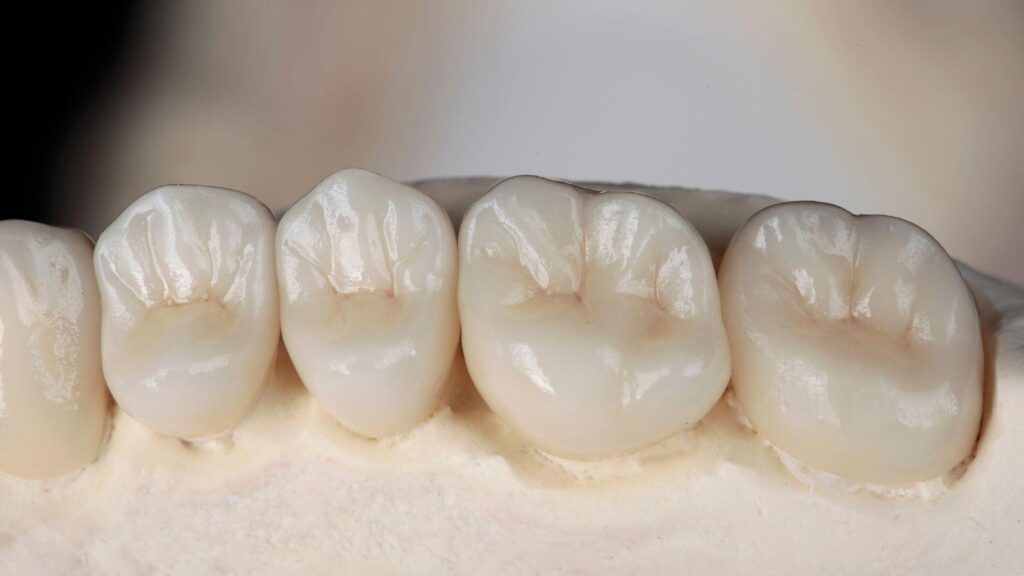
You want a straight answer: dental crowns usually last around 10–15 years if you take care of them. Plenty of people keep theirs for 20 years or more, but it depends on material, where the crown sits, and your daily habits.
With good oral hygiene and regular checkups, plus steering clear of teeth grinding or crunching ice, your crown can hang around well past the decade mark.
This post will break down what actually shortens or extends crown durability. I’ll cover how different materials stack up, and what you can do—without turning your whole life upside down—to protect your investment.
Let’s get into which crown types might fit your needs—including same day dental crowns—and the small daily habits that really make a difference.
Factors That Affect Crown Durability
Crown lifespan mostly comes down to three things: the material, your oral hygiene, and the forces from your bite. Each of these plays a role in how fast the crown wears, if it cracks, or if decay sneaks in at the edge.
Material Type and Quality
Not all crown materials hold up the same way. Porcelain-fused-to-metal (PFM) crowns have a strong metal base under the porcelain, but you might notice a dark line at the gum over time.
All-ceramic and zirconia crowns look great—especially up front—and zirconia is tough enough for heavy chewing on back teeth. Gold and metal alloy crowns? They’re super durable, though they look metallic, so most folks save them for molars.
How your dentist makes the crown matters, too. Crowns milled from a single block (CAD/CAM) usually fit better and stay strong, compared to layered ones. Ask your dentist about the material quality and if they use digital scanning. A snug fit means less chance for decay to sneak in.
Oral Hygiene Practices
You’ve got to keep the tooth-crown edge clean, or you risk decay and gum issues. Brush twice a day with fluoride toothpaste and get in there with floss or interdental brushes, especially under the crown edge.
If your crown covers a root canal tooth, don’t slack off—bacteria love to hide at the gumline.
Seeing your dentist regularly is just as important. Book checkups and cleanings every 3–12 months, depending on what your dentist says. They can spot early issues—like decay or crown looseness—before things get bad.
Smoking and eating lots of sugar can lead to gum recession and decay, which cuts your crown’s life short.
Bite Force and Teeth Grinding
How you bite and any grinding habits really matter. If you clench or grind your teeth (bruxism), you put your crowns through a lot—chipping porcelain or even breaking weaker materials.
Front crowns and molars deal with different forces, so pick your crown material wisely.
If you grind your teeth, your dentist might suggest a nightguard to spread out the pressure and keep your crowns safe. Sometimes, they’ll tweak your bite a bit to keep one crown from taking all the heat.
Notice any new sensitivity, rough spots, or changes in how your teeth fit together? Don’t ignore it—these are often warning signs.
Average Lifespan of Different Crown Materials
Different materials come with their own strengths and tradeoffs. Porcelain matches tooth color best but chips more easily. Metal and gold last longest. Porcelain-fused-to-metal (PFM) gives you a mix of both.
Porcelain Crowns
Porcelain crowns look just like real teeth, so people usually use them on front teeth. They tend to last 5–15 years, depending on your habits and bite.
Porcelain doesn’t stain much, but it does chip easier than metal. If you grind your teeth or chew hard foods, you’re more likely to crack it—maybe talk to your dentist about a nightguard or tougher ceramic options.
Care is pretty straightforward: brush, floss, and see your dentist regularly. Small chips sometimes get fixed, but bigger breaks usually mean you need a new crown.
Metal and Gold Crowns
Metal and gold crowns are the tanks of the dental world—they often last 15–25 years or more. Metal shrugs off biting forces and rarely chips.
These crowns let your dentist keep more of your natural tooth, which is a plus. They don’t look like teeth, so most people hide them on their back teeth.
Metal crowns handle grinding better than porcelain. You still need to keep them clean to avoid decay at the edge, but the crowns themselves almost never break.
Porcelain-Fused-to-Metal Crowns
PFM crowns have a metal core and a porcelain shell, balancing looks and strength. You can expect about 10–15 years if the porcelain holds up under chewing.
Sometimes the porcelain chips off but the metal’s still okay. In rare cases, you can fix just the porcelain, but usually you’ll need a new crown. If your gums recede, you might see a dark line at the edge.
PFM is a solid choice for back teeth if you want decent looks and better durability than all-porcelain. Just keep up with your cleaning and ask your dentist to check for chips.
Tips for Prolonging Crown Longevity
If you want your crown to last, focus on habits that cut down wear, stop decay at the edge, and avoid cracking or knocking it loose. Small choices and regular dentist visits make the biggest difference.
Diet and Preventive Care
Skip hard, sticky, or super chewy stuff—ice, hard candy, fingernails—since they put your crown at risk. If you grind or clench, ask about a custom nightguard. Grinding is a top reason crowns break early.
Stick to brushing twice a day with fluoride toothpaste and floss along the crown edge. The gumline is where decay likes to start. If your dentist suggests it, rinse with an alcohol-free fluoride mouthwash.
If you smoke, it’s worth quitting—tobacco raises your risk for gum disease and can mess with the seal around your crown. Drink acidic stuff like soda or citrus? Try to limit it, and rinse with water after to protect your tooth and the crown cement.
Regular Dental Check-Ups
Schedule check-ups every six months, or more often if your dentist thinks it’s necessary. That way, they can catch early leaks, decay, or crowns starting to loosen before anything really goes wrong.
At each visit, your dentist checks the crown margins and your bite. Sometimes, they’ll take X-rays to spot problems hiding under the surface.
If you notice changes—like sensitivity, roughness, or your bite feeling off—bring it up right away. Small tweaks, a quick polish, or recementing can save you from bigger, messier fixes down the road.
Keep a note of what material your crown’s made of and the placement date. It helps your care team watch for specific wear patterns and plan your follow-ups.