
Deciding between veneers, bonding, and whitening really depends on what you want your smile to do. Do you just want whiter teeth, need to fix chips or gaps quickly, or are you hoping for a total transformation that lasts?
Go for whitening if you just want brighter teeth without changing their shape. Pick bonding if you want fast, minimal repairs. Choose veneers when you’re after a durable, dramatic change in both color and form.
You’ll see how each option affects enamel, cost, how long it lasts, and what kind of upkeep you’ll face. Since cosmetic dentistry in Raleigh, NC covers all three of these treatments, a consultation can help you figure out which one—or which combination—actually fits your goals. I’ll break down the comparisons and give you some real-world advice on combining treatments, prepping your teeth, and keeping your results looking good.
Understanding Dental Aesthetics
Let’s talk about what each treatment can actually fix. Your goals and your teeth’s needs will ultimately steer your decision.
We’re focusing on color, shape, alignment, and durability. The idea is to match a procedure to what you care about most.
Common Cosmetic Concerns
Most people want to fix tooth color, shape, spacing, or surface damage. Stains from coffee, tobacco, or just getting older usually mean whitening—if your enamel’s healthy. But if stains run deep, veneers might be the only way to cover them for good.
Chips, tiny gaps, and small reshaping jobs? That’s where bonding shines. It’s gentle on your teeth and you can get it done in one visit.
If you need bigger changes—wider teeth, different proportions, or rotated front teeth—veneers give you more predictable, uniform results.
Function matters too. If your teeth are worn or cracked, you might need crowns instead. And if you grind your teeth, let your dentist know. Veneers or bonding won’t last if you don’t address the grinding.
How Smile Goals Vary
Your personal goals really drive the trade-offs you’ll make. If you want the brightest, most uniform look and long-term color stability—and don’t mind removing some enamel—veneers usually fit the bill.
But if you want to keep your natural tooth structure and save some money, bonding is more your speed. Just know that bonding can stain or chip more easily.
If all you want is whiter teeth, and you’re happy with the shape, professional whitening is the least invasive option.
So, what’s most important to you? Durability, keeping your enamel, cost, or speed? The answer points you to the right choice.
Factors Shaping Treatment Choices
Budget, tooth condition, and how long you want the results to last all play a part. Veneers cost more upfront, but they last longer—usually 10 to 15 years if you take care of them. They also resist staining better, but you’ll pay more for the lab work and placement.
Bonding is cheaper and faster, but you’ll probably need touch-ups or replacements sooner, especially on front teeth.
Your teeth’s health limits your choices. Big cavities, large fillings, or not enough enamel might mean you need veneers or crowns. Whitening only works on natural enamel, so it won’t change the color of any existing dental work.
If you smoke, eat or drink things that stain, or grind your teeth, tell your dentist. These habits affect how long your results will last and help your dentist choose the right material for you.
Evaluating Veneers, Bonding, and Whitening
Think about what you want to change, how long you want it to last, and how much maintenance you’re okay with. Each option has its own process, lifespan, and trade-offs you should know.
Treatment Process Overview
Veneers take a few steps. First, you’ll have a consultation. Then, the dentist removes some enamel, takes impressions or scans, and you come back for a second visit to get the custom porcelain shells bonded. You’ll probably get local anesthesia, and there’s usually a 2–3 week wait if a lab makes your veneers. Sometimes you’ll get temporary veneers in the meantime.
Bonding is usually done in one visit. The dentist roughens your enamel, puts on etching gel, shapes composite resin, and then hardens and polishes it with a curing light. You’ll walk out with the fix done that day.
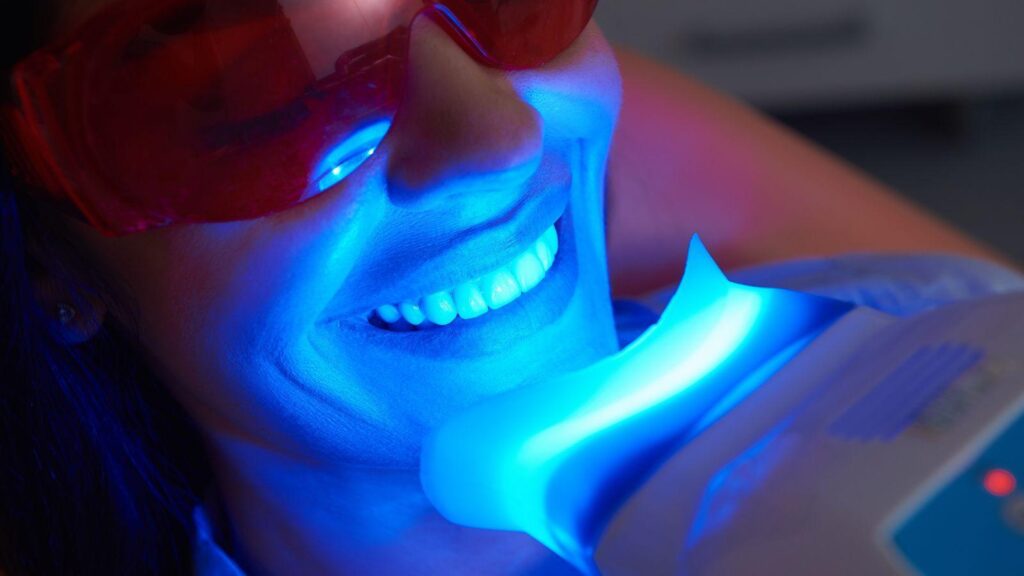
Whitening starts with a check of your teeth and gums. In-office whitening takes about 60–90 minutes and uses stronger gels and lights. Take-home kits use custom trays and gentler gel, worn for days or weeks. If your stains are stubborn, you might need more than one session.
Durability and Lifespan
Porcelain veneers last the longest—usually 10–15 years or even more with good care. They don’t stain easily and keep their shape and color, but replacing them is a bigger deal since some enamel is gone for good.
Composite bonding lasts around 4–8 years, depending on how you bite, your hygiene, and your diet. It’s more likely to chip or stain than porcelain, but you can often just touch it up instead of replacing everything.
Professional whitening results can last anywhere from 6 months to 2 years. It really depends on your habits—what you eat and drink, if you smoke, and how healthy your enamel is. You’ll probably need touch-ups or maintenance trays to keep the shade you want.
Suitability for Different Issues
Pick veneers if you want to change tooth shape, fix moderate misalignment, close gaps, or get a uniform color on several front teeth. They’re great if whitening won’t cut it and you want a long-lasting transformation.
Go with bonding for small chips, minor gaps, or fixing the shape of just one tooth—especially if you want a conservative, affordable option. Bonding is quick and doesn’t require much change to your tooth.
If your main problem is discoloration from food, drinks, or aging, and your teeth are otherwise healthy, whitening is your best bet. Just remember: whitening won’t fix chips, change the shape of your teeth, or work on crowns, veneers, or bonding.
Potential Limitations
Veneers are usually a one-way street since you have to remove enamel. They’re more expensive and need a careful bite check to prevent breaking. If you need a repair, it often means a whole new veneer.
Bonding isn’t as tough and stains more easily. It can chip if you bite hard or grind your teeth. Repairs are simple, but you’ll spend more time and money on touch-ups over the years.
Whitening doesn’t work on composite or porcelain, so you might end up with mismatched colors if you have old dental work. Sensitivity and gum irritation are common but usually short-term. And remember, whitening only changes color—it won’t fix shape or structure problems.
Personalizing Your Smile Transformation
Figure out what you want to change—color, shape, gaps, or maybe a full makeover. Think about how long you want it to last, what you’re willing to spend, and how much upkeep you’re okay with.
Matching the treatment to your specific issue and lifestyle gives you the best shot at results you’ll love.
Choosing the Right Option for Your Needs
Write down your main goals. Want brighter teeth? Whitening usually does the trick in one to three sessions if your teeth are healthy but stained.
Need to fix small chips, gaps, or uneven edges? Composite bonding is quick, conservative, and keeps most of your tooth structure intact.
Want to change the size, shape, and color of your teeth for the long haul? Porcelain veneers give you that, but you’ll need some enamel removed, lab work, and a couple of appointments.
Ask your dentist about enamel thickness, bite forces, and any hidden decay. These details matter when deciding between a simple fix or something more involved.
Budget and Investment Considerations
Compare the upfront cost and how long each option lasts. Whitening is the cheapest per treatment, but you’ll need to repeat it. Bonding is mid-range and usually lasts 5–10 years. Veneers cost the most to start but often last 10–20 years or more.
Don’t forget about extra costs: touch-ups, replacements, or any prep work like fillings or gum shaping.
Check your dental plan—cosmetic stuff is often not covered or only partly covered.
If veneers are out of budget, ask about financing or phased treatment. You could whiten first and add bonding or veneers later to spread out the cost.
Long-Term Maintenance
Whitening: You’ll want to keep up with occasional touch-ups, whether in-office or at home. Try to skip staining foods and tobacco if you can.
Grab a soft-bristled brush and stick with non-abrasive toothpaste. That combo helps limit surface wear.
Bonding: Over time, stains build up. When discoloration or wear pops up, you can polish or swap out the bonded material.
Regular hygiene visits do a lot to keep things looking good.
Veneers: You’ll need routine dental check-ups and solid oral hygiene to protect the edges and the teeth underneath. Don’t bite down on really hard stuff, and if you clench or grind, a night guard’s a smart idea.
Keep up with dental exams. They help you catch problems early and keep your smile looking great.