
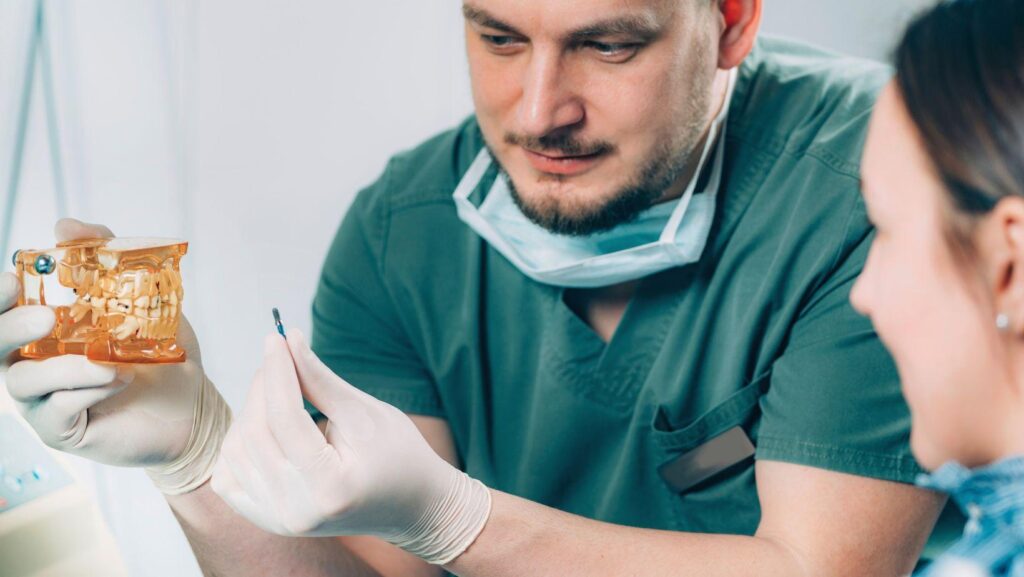
Let’s dig into how same day implants shake up the timeline, convenience, and instant looks compared to traditional implants. Same-day implants let you walk out with a temporary tooth right after the implant goes in, while the old-school route makes you wait through a healing phase before you get the final crown.
We’ll look at what’s really different about the procedures, what recovery feels like, and how costs and candidacy might steer your choice. You’ll get a sense of what matters most for your smile—immediate function or careful, staged healing.
How Implant Procedures Differ
The two approaches diverge on surgical method, timing, and even the nuts and bolts used. That changes your treatment timeline, how soon you can chew, and what you’ll need to do for healing.
Overview of Surgical Techniques
Traditional implants usually go in with a two-stage surgery. First, you get the titanium post in your jaw, the gum gets stitched over, and you wait for the bone to fuse to the implant. Later, the dentist uncovers it and puts on the abutment and crown.
This staged method keeps early pressure off the implant and is the go-to if you need bone grafts or sinus lifts.
Same-day (immediate-load) implants take a bolder approach. The surgeon places the implant and slaps on a temporary crown or bridge in one go. They rely on getting a really snug fit and strong bone contact to hold things steady.
You’ll need precise planning and surgical skill here—any wobble and the implant could fail.
Some practical differences:
Immediate vs. Staged Placement
With staged placement, you get a long healing break—usually three to six months—before your dentist puts on the permanent tooth. That downtime helps the bone fuse solidly to the implant, and it’s safer if your bone is weak or you needed extra work like grafting.
Immediate placement means you get a temporary tooth the same day, whether it’s right after an extraction or in a healed site. Looks and function bounce back fast, but success depends on the implant locking tightly into the bone (often above 35 Ncm torque) and avoiding sideways stress.
If the implant feels the least bit loose, your dentist might switch you to the staged plan to play it safe.
Things that tip the scales:
Materials and Technology Used
Most implants are titanium or titanium alloys, though you’ll hear about zirconia sometimes. Same-day implants usually use rough-surfaced, high-area titanium for faster bone integration. The design tends to be tapered with aggressive threads for better grip.
Tech that helps with same-day cases:
Traditional cases lean more on lab-made crowns and custom parts after you’ve healed. Both routes use materials like titanium, zirconia, or porcelain-fused-to-metal for abutments and crowns, depending on how things need to look and bite.
Comparing Recovery and Healing
Recovery takes a different shape depending on your choice. Same-day implants get you a visible tooth right away, but you’ll face stricter short-term rules. Traditional implants make you wait, but let you ease back into chewing over months.
Expected Downtime
With same-day implants, you’ll probably leave the office with a temporary tooth, but expect a week or two of soreness and swelling. Stick to soft foods and avoid chewing hard stuff for at least one to two weeks.
Traditional implants mean you’ll wait three to six months for the final tooth. The first few days still hurt, but you’ll have a slower return to normal chewing. Bone healing and remodeling can drag on for half a year or more.
Your downtime depends a lot on your health, bone quality, and whether you had extractions or grafts. Smoking, uncontrolled diabetes, and certain meds can stretch out recovery for either method.
Post-Operative Care Steps
Take your antibiotics and pain meds as prescribed, and use any mouth rinse your dentist gives you to keep infections at bay. Ice your face off and on for the first day or two, and keep your head up when you rest to help with swelling.
For same-day implants, eat soft foods for a week or two—skip anything crunchy or sticky that could mess with the temporary crown. Traditional implants ask for the same at first, but the big thing is not biting down on the implant site until the dentist gives you the green light.
Brush gently around the area, rinse with saltwater or chlorhexidine if told, and don’t spit hard. Go to every follow-up for suture checks, x-rays, and stability tests. These visits matter for timing your final crown and spotting problems early.
Long-Term Oral Health Impact
Immediate-load implants get you looking and chewing better fast, which keeps your bite stable and stops teeth from drifting. But if the implant isn’t rock solid at the start, you’re more likely to have early failure or bone issues.
Traditional implants tend to last longer in tricky cases because you let the bone heal fully before adding stress. That staged method keeps things steady for folks with softer bone or heavy bites.
Either way, your results depend on good bone, solid hygiene, quitting smoking, and keeping up with dental visits. Plan on regular cleanings and check-ups to keep gum tissue healthy and catch trouble early.
Cost, Candidacy, and Longevity
Choosing between same-day and traditional implants really comes down to whether you’re a good fit, how much you want to spend, and what kind of upkeep you’re willing to manage. These factors shape if you can get instant teeth, what you’ll pay, and how long things last.
Patient Eligibility Factors
Bone volume and density are the big medical deciders. Same-day implants need strong, thick jawbone for a tight fit—if your bone’s thin or soft, you’ll probably need grafts or a staged approach.
Your health history matters, too. Uncontrolled diabetes, heavy smoking, or recent head and neck radiation raise the risk of failure and usually rule out same-day plans.
Oral issues like gum disease, teeth grinding, or weak gums also push dentists toward staged healing. Age isn’t usually a dealbreaker, but your overall health, meds (like bisphosphonates), and how well you can follow instructions all play a role.
Price Differences and Insurance
Same-day implants often cost more per arch since you’re getting surgery, an implant, and a temporary tooth all at once. Lab fees for the temporary crown and the surgical skill can bump up the price.
Traditional implants split the bill—first surgery, then healing, then the final tooth months later. That can make payments feel easier, but when you add in grafts or extra visits, the total can end up about the same.
Insurance is all over the place. Many dental plans call implants elective and barely cover the post or crown. Medical insurance almost never pays unless you’ve got a real medical need. Double-check your plan for coverage, preapprovals, and any limits on lab or specialist fees.
Ask your dentist for a written estimate that breaks down implant parts, grafts, temporary crowns, and final restorations. That way, you can compare apples to apples.
Durability and Maintenance Requirements
Implant bodies—whether titanium or zirconia—usually last for decades if you take care of them. Both same-day and traditional implants can stick around for the long haul when placed properly.
The real difference comes in the beginning. Immediate restorations put more stress on the new implant, so your dentist has to design the bite carefully and keep a close eye on things as your bone heals.
Provisional, same-day prostheses tend to wear out or break more easily than a final crown. Honestly, you might find yourself back in the dental chair for some tweaks or even a replacement sooner than you’d expect.
You’ll need to brush every day and clean between your teeth—floss, tiny brushes, or a water flosser all work. Most people should get a professional exam every three to six months, but your dentist might recommend more or less depending on your situation.
If you smoke or have certain health conditions, quitting and managing those can make a big difference. It’s one of those things people don’t always want to hear, but it’s true.
Should peri-implantitis show up, you’ll probably need debridement, sometimes antibiotics, and maybe even surgery. Both same-day and traditional implants face this risk, so keeping up with hygiene and regular checkups really matters.