
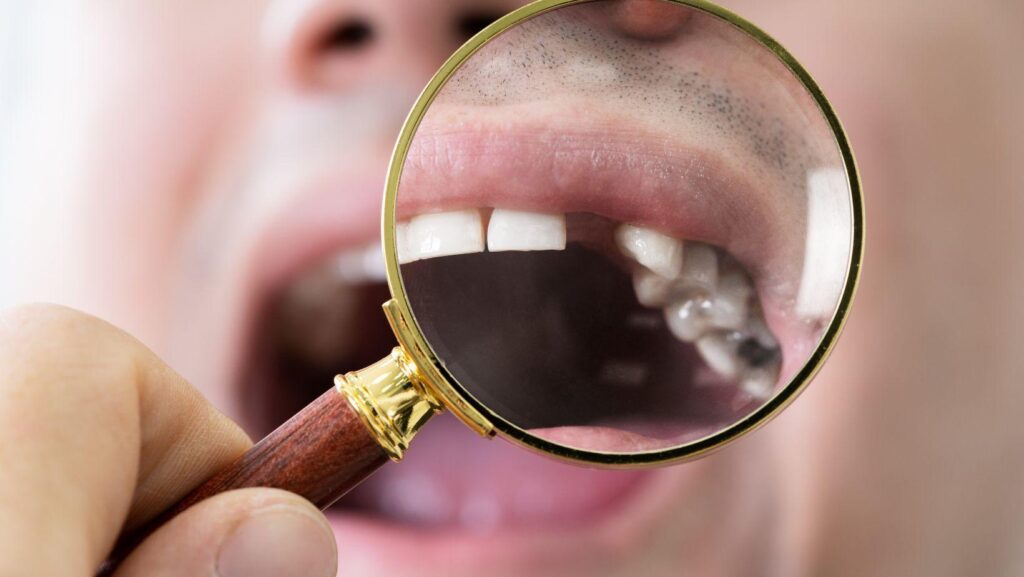
You can actually replace several missing teeth with fewer implants. Dentists use smart implant placement and bridge or full-arch systems to support multiple teeth from just a few posts.
If you plan things right, approaches like implant-supported bridges or All-on-4/All-on-6 let you get back your chewing function and a natural-looking smile—without needing one implant per missing tooth. And it’s worth knowing that missing teeth cause bone loss over time, making earlier treatment a smarter move for your long-term jaw health.
Let’s break down how those techniques work, who’s a good fit, and what trade-offs might pop up. We’ll also look at what recovery and maintenance really mean, so you can figure out which option fits your mouth and lifestyle.
Dental Implant Techniques for Multiple Tooth Loss
You’ve got some options: one implant per tooth, or using strategically placed implants to support bridges or full-arch prosthetics. Each method has its own mix of surgical complexity, cost, bone requirements, and long-term maintenance.
Traditional Individual Implant Placement
This one’s straightforward. You get one implant for each missing tooth.
Each implant acts as a root and holds a single crown, so your biting forces are spread out across several implants.
Benefits:
- Saves your natural teeth—no bridges attaching to them.
- Feels the most like natural teeth, and cleaning is simple. You just brush and floss as usual.
Limitations:
- You’ll need enough bone at every site. Thin bone? You might need a graft.
- More implants mean a higher upfront cost and a longer process.
- More surgical sites can mean extra discomfort and a bit more healing time.
Implant-Supported Bridges
With this approach, you replace a span of missing teeth by anchoring a bridge to two or more implants.
You skip putting crowns on healthy teeth, and the bridge restores several teeth with fewer implants than doing one per tooth.
- Usually, two implants go at the ends of the span, then a fixed bridge connects them. The number of implants depends on how many teeth you’re replacing and your bite forces.
- You get better stability than a traditional bridge and improved chewing.
But there are things to watch for. Implants need to be placed just right, and the bridge has to be rigid to avoid flexing.
Cleaning takes a little more effort—expect to use special floss or brushes to get under the bridge.
If an implant fails, the whole bridge might need repair or even replacement, depending on how it was built.
All-on-4 and All-on-6 Methods
All-on-4 and All-on-6 use four or six implants to support a full arch of teeth.
You get a fixed prosthesis that replaces all your upper or lower teeth, but you only need a handful of implants.
- These often avoid big bone grafts since the back implants are angled to use denser bone.
- The timeline’s faster. You can sometimes get provisional teeth the same day or within a few days.
- Feels more like a fixed bridge than a removable denture, and maintenance is usually easier.
But, you need to clean carefully under and around the prosthesis. If one implant fails, the prosthesis might need to be remade or adjusted.
It’s not always best if you want to replace individual teeth, or if you’ve got some natural teeth left that complicate things.
Benefits and Drawbacks of Using Fewer Implants
You can cut down on surgery time, cost, and recovery by using fewer implants. But you’ve got to weigh those savings against possible issues with load distribution, maintenance, and bone health over time.
Cost Considerations
Fewer implants usually mean a lower upfront bill. You’re paying for fewer fixtures, abutments, and surgeries.
That makes things like All-on-4 or implant-supported bridges more affordable than getting an implant for every missing tooth.
You might also skip some extra procedures. Fewer implants can mean less bone grafting and shorter appointments, which saves money and time off work.
But don’t forget about long-term costs. If your prosthesis puts too much stress on each implant, you might need more repairs or even early replacement, which can eat into your savings.
Bone Health and Preservation
Fewer implants can help preserve bone compared to removable dentures. Implants send chewing forces into your jaw, which helps keep bone from shrinking.
Strategic placement—like angling the back implants in All-on-4—can help distribute forces and stimulate bone where you need it.
Still, each implant ends up supporting more teeth than if you had one per tooth, so planning is key.
If you’ve already lost a lot of bone, you might need a graft before placing implants, or your setup might not stimulate all the right areas.
Keep an eye on bone levels over time. Good prosthesis design and regular checkups help prevent bone loss around overloaded implants.
Functional and Aesthetic Outcomes
Most people get back full chewing function with fewer implants, as long as the bridge or prosthesis is well-designed.
You can usually get stable biting and clear speech with four to six implants per arch.
Looks depend on the prosthesis and how your gums are managed. Implant-supported bridges and fixed prostheses can look very natural, but getting the gum contours just right is harder when you’re minimizing the number of implants.
Maintenance matters. Removable overdentures supported by implants are easier to clean and fix, while fixed bridges feel more like real teeth but can be trickier (and pricier) to repair if something goes wrong.
Candidacy and Suitability Factors
You’ll need enough jawbone and healthy gums to support fewer implants carrying several teeth. Here’s what dentists look for and how it affects your options.
Bone Density and Quality
Your jawbone needs enough volume and density where the implants will go. Dentists use CBCT scans to check bone height, width, and quality.
If your bone’s healthy, dentists might use strategic placement (like All-on-4) to support a bridge with fewer implants.
If you’re short on bone, you might need grafts, shorter or angled implants, or even a removable prosthesis. Each option changes the cost, healing time, and long-term outlook.
Gum Health Assessment
Healthy gums are a must, since gum disease can wreck implants.
Your dentist will check for pocket depths, bleeding, gum recession, and attachment loss. If you’ve got untreated periodontitis, you’ll need to get it under control first.
Once your gums are stable, implant-supported bridges become possible. Ongoing inflammation, bad oral hygiene, or medical issues like uncontrolled diabetes can raise the risk of implant problems and might mean you need a different plan or more frequent maintenance.
Recovery, Care, and Long-Term Success
You’ll probably have a few days of mild swelling and discomfort, then slow bone and tissue healing over a few months.
Follow your dentist’s home-care instructions and maintenance schedule to keep your implants healthy.
Implant Healing and Integration
You’ll feel sore and swollen for two to three days. Take pain meds and use ice packs for ten minutes at a time.
Skip strenuous activity for three to seven days—helps with bleeding and lets clots form.
Osseointegration (that’s bone fusing to the implant) takes about three to four months in the lower jaw, or four to six months up top. Sometimes it’s faster, sometimes slower—everyone’s different.
If you get a provisional restoration that’s not meant for chewing, avoid hard foods on that side.
Go to your follow-up visits at one to two weeks, three months, and when it’s time to uncover the implant or place the final restoration.
If you notice ongoing pain, swelling that gets worse, or any pus, call your dentist right away—those could be signs of infection or a failed implant.
Maintenance Guidelines
Daily oral hygiene goes a long way in stopping peri‑implantitis. Brush twice a day with a soft brush.
Use interdental brushes that fit the spaces near your prosthesis. For bridges, try floss threaders or water flossers—whatever your dentist suggests.
Get professional maintenance every 3 to 6 months during the first year. After that, your dentist will decide how often you need to come in, depending on your bone levels and any signs of inflammation.
At these visits, your dental team removes plaque and checks your prosthesis. They’ll look at your bite and might take radiographs if needed.
Try to avoid smoking. Keep conditions like diabetes under control, since both can raise the risk of implant failure.
If you tend to clench or grind your teeth, wearing a nightguard can help. It reduces stress on implant bridges or full-arch prostheses—definitely worth considering.