
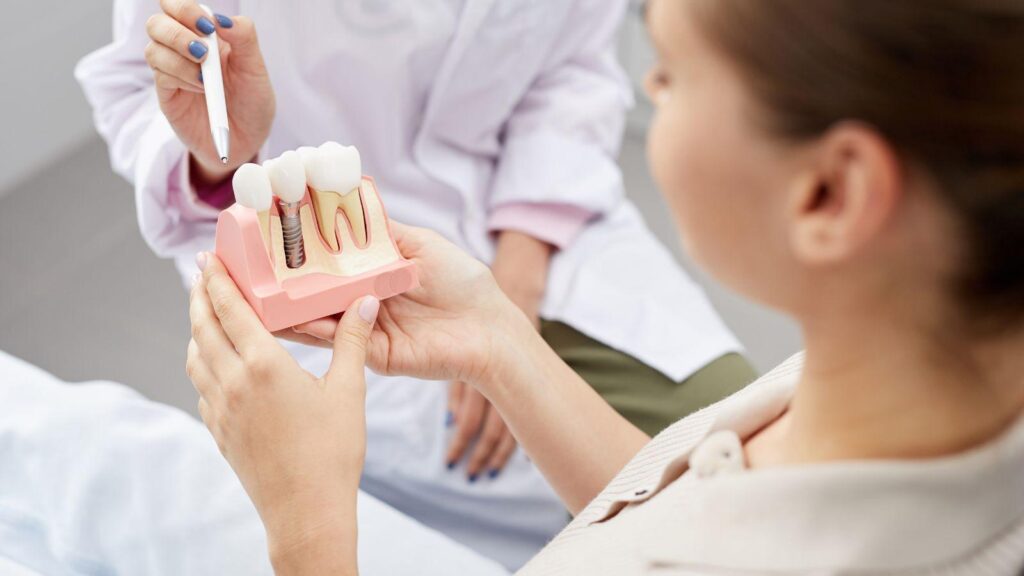
If you’re tired of slipping dentures, struggling to chew, or feeling anxious about your smile, snap-in dentures by College Hill Dental PA might just flip your daily routine upside down. They anchor removable dentures to dental implants, giving you steadier chewing, clearer speech, and way less need for those sticky adhesives—so you can eat, talk, and actually enjoy being around people again.
Let’s look at how these attachments work, what you can realistically expect day-to-day, and how implants affect your long-term oral health and bone. You’ll get some practical examples, a sense of the timeline, and a peek at the maintenance side so you can figure out if this is right for you.
How Implant-Supported Dentures Work
Implant-supported dentures attach to titanium posts in your jaw. This setup gives you a stronger bite and uses specific attachment systems that let you remove or keep the denture fixed.
You’ll see different implant types and attachment styles, and those details affect stability, cleaning, and cost. It’s not a one-size-fits-all deal.
Types of Implants Used in Modern Dentistry
Most implant-supported dentures use endosteal titanium implants—those screw-shaped fixtures that go right into the bone. These implants fuse with your jaw over a few months, creating a solid base for your denture.
There are some variations. Conventional implants (10–15 mm long) work if you’ve got enough bone height. Shorter implants come into play when bone is limited. Zygomatic implants anchor in your cheekbone if there’s severe upper-jaw resorption.
Implant diameter and the way the surface is treated (like roughened or plasma-sprayed coatings) affect how stable things feel at first and how you heal. Your dentist will use CBCT scans and surgical guides to plan exactly where to place each implant for even pressure.
Most full-arch removable overdentures use 4–6 implants per arch. Fixed hybrid bridges might use 4–8, but sometimes you can get away with fewer (like All-on-4) if they’re angled just right.
Attachment Mechanisms and Technology
There are two main families of attachments: removable overdenture attachments and fixed-bar or screw-retained setups. Removable options use locator abutments, ball attachments, or magnets to snap the denture onto the implants, making nightly removal a breeze.
Fixed systems use a metal bar or rigid abutments to support a prosthesis that’s screwed into the implants. Only your dentist can remove these. Bar systems spread out the chewing forces, while screw-retained hybrids offer high bite strength and make repairs a bit easier.
Attachment wear and maintenance definitely come into play. Locator inserts need replacing now and then. Screw-retained prostheses need torque checks.
Digital workflows, CAD/CAM milled bars, and improved attachment materials have made things fit better and last longer. Still, nothing’s maintenance-free.
Differences Compared to Traditional Dentures
Traditional dentures just sit on your gums and rely on suction, adhesives, and your muscles to stay put. That often means slipping, a weak bite, and faster bone loss under the denture.
Implant-supported dentures send chewing forces into the bone, restoring up to 60–80% of your natural bite strength, depending on how things are set up. They move less when you talk or eat, and they help slow down jawbone loss by keeping the bone working.
Maintenance is different, too. Traditional dentures need relines as your jaw changes, while implant prostheses need regular implant checks, cleaning around the abutments, and the occasional part swap. Implants cost more and require surgery, but the boost in function and quality of life is huge for a lot of people.
Everyday Benefits for Wearers
You’ll notice clearer speech, a stronger bite, and way fewer sore spots than with regular dentures. Most folks feel more at ease in social situations and don’t have to mess with adhesives or complicated cleaning routines as much.
Improvements in Speaking and Chewing
Snap-in dentures usually anchor to two to four implants, stopping the slipping that causes lisps or clipped words. That stability lets your tongue and lips work naturally, so conversations feel less awkward.
Chewing gets easier because the implants transfer bite force to your jawbone, not just your gums. You can take on firmer foods—like apples or steak—without stressing about your denture popping loose.
Bite strength and steady chewing usually improve within a few weeks as you get used to things. Still, you should avoid super hard foods (bones, hard candies) and follow your dentist’s diet advice during healing.
Regular checkups keep the attachment housings working and your chewing strong over time.
Impact on Social Confidence
When your dentures stay put, you stop worrying about embarrassing slips when you talk or laugh. That peace of mind can make you more willing to speak up at work, go out to eat, or just relax around others.
A more natural tooth position helps support your face and makes your smile look better. That little boost in appearance can change how you see yourself and how others see you, making social life a bit easier.
If you’re still not loving the look or sound, ask your dentist about adjusting the bite, relining the prosthesis, or changing the tooth shape. Sometimes those tweaks make all the difference.
Comfort and Reduced Irritation
Snap-in dentures rest on implants, not just your gums, so pressure points and sore spots drop way down. You’ll probably notice less rubbing and fewer mouth ulcers once your fit is dialed in.
Less movement means you can ditch most adhesives, which honestly, are a hassle for a lot of people. Cleaning gets easier, too—just pop the denture out, clean it, and rinse the attachment parts to keep irritation at bay.
Stick to good oral hygiene around the implants and swap out worn housings as your dentist recommends. Staying on top of maintenance keeps you comfortable and protects the gum and bone around your implants.
Long-Term Oral Health Considerations
Snap-in implant dentures affect your bone, your cleaning habits, and how long implants and attachments last. Plan for regular upkeep, keep an eye on your bone and gums, and expect to replace parts now and then.
Bone Preservation and Jaw Health
Implants send chewing forces into your jawbone, helping keep bone volume up compared to regular dentures that just sit on the gums. That force stimulates bone remodeling, which is a good thing.
Losing implants or ignoring bite issues can cause bone loss around the fixtures. You’ll want baseline and regular x-rays (usually once a year or as your dentist suggests) to track bone levels.
Watch for signs like new mobility, redness, or a shifting fit—those can mean trouble like peri-implantitis or bone loss. If bone loss pops up, your dentist might recommend cleaning, antibiotics, surgery, or even grafting, depending on how bad it is.
Smoking, uncontrolled diabetes, and gum disease raise your risk for bone loss. Keep medical conditions in check and listen to your dentist about bite adjustments to avoid extra pressure on the implants.
Oral Hygiene Maintenance
Daily hygiene with snap-in dentures means cleaning both the denture and the implants. Take the denture out after meals to clean it, and brush the implants and your gums twice a day with a soft brush and gentle toothpaste.
Use interdental brushes or implant-friendly floss to get under and around the attachments. A water flosser can help blast away debris from beneath the denture.
Replace worn nylon inserts or O-rings as soon as they start to lose grip—these little parts wear out and can mess with fit and hygiene if you ignore them.
Book professional cleanings every 3–6 months, depending on your risk. At those visits, your dental team will check seals, measure pocket depths, and remove any stubborn biofilm you missed at home.
Longevity of Implant Fixtures
Implant bodies can last decades if you take care of them. Attachment parts and dentures, though, usually don’t stick around as long.
You’ll probably need to swap out nylon inserts, O‑rings, or locator caps every 6 to 24 months. How long they last really depends on your chewing habits and how much wear they’re getting.
At your regular check-ups, keep an eye on implant stability and the health of the gums around them. Catching inflammation early makes a big difference down the road.
Prosthetic teeth and acrylic bases might need relines or even replacement every 5 to 10 years. They wear down, change color, or just get tired—acrylic doesn’t last forever.
You’ll need to budget for ongoing maintenance, too. That means replacing parts, getting lab relines, and sometimes making repairs.
Hang onto your serial radiographs and jot down maintenance dates. When something breaks, those records help you decide if it’s time for a repair or if you should just go for a brand-new prosthesis.