
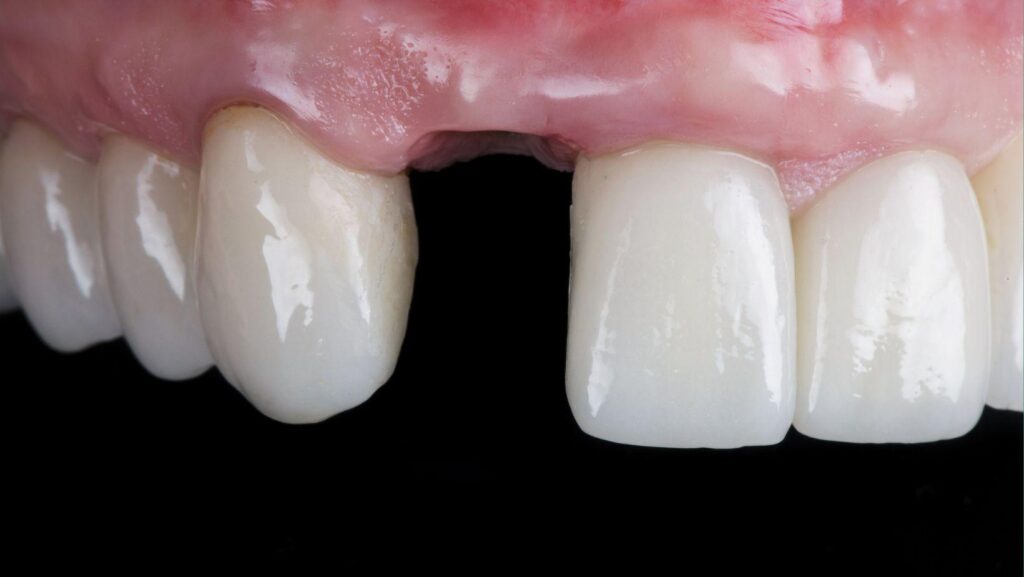
Missing a tooth in Chula Vista doesn’t have to mean you’ll live with gaps or shifting teeth. Missing tooth replacement in Chula Vista with dental implants can step in to replace the missing root and crown, letting your mouth work and look like it did before.
An implant actually fuses with your jawbone, keeping the bone healthy and giving you a stable, natural-feeling replacement. Honestly, it usually outperforms bridges or dentures for long-term function and appearance.
You’ll get a sense of how implants work, how they help you chew and speak, and what you should look for when picking a dental professional in Chula Vista. Let’s break down the basics, the real benefits, and the practical steps for getting a reliable, natural-feeling tooth replacement.
Dental Implant Fundamentals
Dental implants use a metal root, an abutment, and a crown or prosthesis that looks and works like a real tooth. They protect your jawbone, stabilize the teeth next door, and restore chewing and speech more reliably than removable options.
How Dental Implants Work
A dental implant starts with a titanium or titanium-alloy post that your dentist places in your jawbone as a root. Over a few months, your bone fuses to the post (that’s osseointegration), giving you a solid foundation for the new tooth.
After you’ve healed up, your dentist adds an abutment to the post and fits a custom crown, bridge, or denture. Crowns are usually ceramic or porcelain, matched to your tooth color. You’ll need a few visits: consultation, placement, healing, and then the final restoration.
Your bone volume, whether you smoke, your overall health (like diabetes control), and your dentist’s skill all affect how well things go. Imaging like CBCT helps your dentist plan the implant spot and spot any trouble areas.
Types of Dental Implants
Endosteal implants are the most common. These are individual titanium posts that go in the jawbone for single crowns, bridges, or to anchor dentures.
Mini implants use narrower posts when your bone’s a bit thin or for temporary denture stabilization. They’re less invasive but might not hold up to heavy chewing forever.
Zygomatic and pterygoid implants are longer and anchor into the cheekbone areas if your upper jawbone’s really thin. They can avoid big grafts but need a skilled surgeon.
All-on-4 or All-on-X uses four or more angled implants to support a fixed bridge for a whole arch. This method often skips the need for bone grafts and gets you a new smile faster.
Implants Versus Other Tooth Replacement Options
Implants replace both the root and crown, which means they keep your bone healthy by transferring force as you chew. Bridges only replace the crown and need your dentist to alter the teeth next door for support.
Removable dentures give you a full smile and basic function, but they just sit on your gums and let the bone keep shrinking where teeth are missing. You might need adhesives and relines now and then.
Restoring Function and Aesthetics
When you replace a missing tooth with an implant, you get your biting power back, a natural-looking tooth, and clearer speech. The titanium implant, abutment, and custom crown all work together to bring your mouth back to how it should feel and perform.
Bite Strength and Chewing Efficiency
The implant anchors right into your jawbone, so you regain most of your original bite force. Unlike a denture that sits on your gums, an implant sends chewing forces into the bone, so it won’t slip and you can eat things like apples or steak without worrying.
Implants help keep your jaw strong and slow down the bone loss that happens after losing a tooth. They also take pressure off your other teeth, helping them last longer. Most people say they’re back to chewing normally within weeks of getting the crown, but healing times vary.
Appearance and Natural Feel
A custom implant crown matches the color, shape, and texture of your other teeth. Your dentist carefully shades and shapes the crown so it blends in when you smile or talk. The finish can look a lot like real enamel, which is a nice touch.
Since the crown attaches to an abutment anchored in bone, it feels solid—nothing like the floating sensation you get with some dentures. You won’t need adhesives, and the implant doesn’t cover the roof of your mouth, so it feels more comfortable and leaves your mouth feeling open.
Speech Improvements
A secure implant puts your tooth back where it should be, supporting your tongue and lips. Missing teeth—especially up front—can cause lisps or whistling, but replacing them gives your tongue the contact points it needs for clear speech.
Because implants stay put, you don’t get the slips or clicks that can make talking with dentures a headache. Most folks adjust fast and notice their speech gets clearer once they’ve healed and gotten used to the new crown.
Choosing the Right Dental Professional in Chula Vista
Look for a dentist with the right credentials, local experience, and a team that actually listens to you and fits your schedule. It’s worth finding a practice that’s upfront about results and supports you every step of the way.
Evaluating Dentist Qualifications
Check for specialty training in implant dentistry or oral surgery. Look for DMD or DDS plus extra certifications—think fellowship or residency in oral surgery, prosthodontics, or implantology. Board certifications and membership in groups like the American Academy of Implant Dentistry are a good sign.
Ask to see before-and-after photos of real patients. You can also request info about complication rates and implant success for cases like yours. Make sure the dentist uses up-to-date imaging (like CBCT) and digital planning tools. Don’t forget to check that the office follows strict sterilization protocols and that the staff knows what to do in an emergency.
Check state licensing boards and online reviews to make sure there aren’t any unresolved complaints. Book a consultation and see if the dentist explains risks, options, and the treatment plan in plain language.
Importance of Local Experience
Pick someone who’s handled a range of implant cases in Chula Vista or San Diego County. Local know-how matters for understanding patient needs, the insurance scene, and working with nearby labs and specialists.
A dentist who works with local dental labs and restorative dentists can coordinate your crown and follow-up care more smoothly. Ask how many implants they place each year and if they handle both the surgery and the final restoration, or if they work with a trusted partner.
Local offices know the ins and outs of city permits and nearby imaging centers. It’s smart to choose a clinic with stable staff and long-term patient reviews that mention follow-up care, handling of complications, and reliable scheduling.
Patient Care and Support
Check out the communication channels—phone, patient portal, or emergency access after surgery. You want to know you can actually reach someone if you need help.
Get preoperative instructions, pain management plans, and follow-up visit schedules in writing. Having everything spelled out just makes life easier.
Ask about financing options and estimated out-of-pocket costs. Find out how the office handles insurance claims, because that stuff can get confusing fast.
Bring up sedation choices and post-op support, like prescription coordination and dietary advice. If you’re unsure, don’t be shy—ask for specifics.
See what patient education resources are available—printed guides, videos, or digital treatment plans. Everyone learns differently, and they should get that.
Pay attention to how the team responds during your consultation. Did they answer your questions quickly? Were they upfront about pricing and willing to show you around the clinic, equipment, and lab contacts? That kind of openness says a lot.