
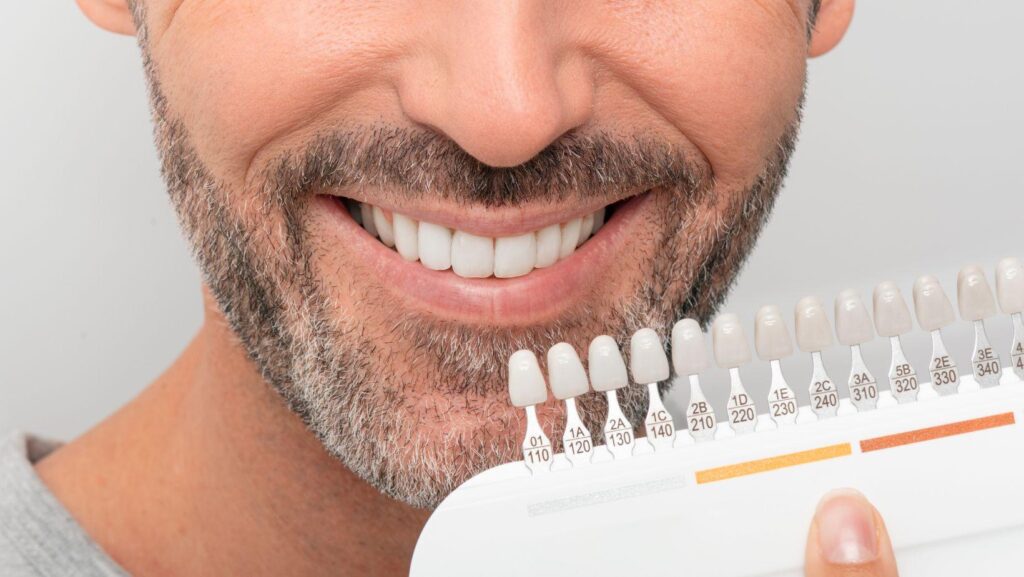
You might see your teeth get lighter with whitening, especially if you have surface stains or some deeper ones. But honestly, how much it works depends a lot on what caused the stains, how strong the product is, and how you use it.
Peroxide-based bleaches can get through the enamel and break up stain molecules, which usually leads to lighter teeth. Still, results vary depending on the cause of the discoloration and the treatment you pick. Professional teeth whitening by Briggs Family Dental uses stronger, dentist-supervised agents that tend to deliver more reliable results than over-the-counter kits.
Let's dig into what causes different stains, how bleaching agents work on a chemical level, what clinical studies actually say, and what safety issues you might want to think about before trying something. Curious about which methods really change your tooth shade, which ones flop, and how to dodge the usual side effects? Keep reading.
Understanding Tooth Discoloration
What kinds of stains mess with your teeth? Which daily habits or medical stuff change tooth color? And how do changes in enamel and dentin make whitening easier or harder?
Types of Stains
Stains break down into two main types: extrinsic and intrinsic.
Extrinsic stains sit right on the surface. Think coffee, tea, red wine, tobacco, and all those colorful foods. These stains usually respond best to professional cleanings and over-the-counter whiteners, since the color just clings to the enamel.
Intrinsic stains are deeper—they show up inside the tooth. These come from things like using tetracycline as a kid, trauma that causes internal bleeding, fluorosis, or just getting older. Intrinsic stains are tougher to fix, since the pigment is stuck inside the dentin or under the enamel.
There's also a "mixed" category, where you've got surface stains on top of deeper discoloration. Dentists usually check which type is the main culprit before suggesting bleaching, trays, or maybe even veneers.
Causes of Color Changes
External stuff, like drinks and smoke, leaves chromogens—those colored molecules—on your enamel. If you love coffee or smoke, stains build up over time.
Acidic foods can wear away enamel, making teeth look yellower since more dentin shows through. Some meds (tetracycline, for example) and too much fluoride during childhood can leave permanent marks or bands.
If you’ve had trauma, your tooth might bleed inside or the pulp could die, leaving it gray or dark as breakdown products build up. And as you age, enamel thins and stains just pile up, so teeth usually get darker, even if you brush like a champ.
Enamel vs. Dentin Impact
Enamel’s that see-through outer layer—it controls how much of the color underneath you see. If your enamel’s thick and healthy, whitening mostly removes surface stains and oxidizes stuff within the enamel.
Dentin sits under the enamel and is naturally more yellow. When enamel thins or gets porous, dentin color starts to show more. If the discoloration is in the dentin, you’ll need stronger bleaching (or maybe even restorative work) to see a difference.
Keep your expectations realistic: surface stains usually lighten up with peroxide-based whiteners, but deep dentin stains might need more time, internal bleaching, or even some cosmetic fixes.
Mechanisms of Whitening Treatments
So, which chemicals actually lift stains? How do professional and at-home methods stack up? And does technique really matter?
Active Ingredients and Chemical Processes
Most whitening products rely on peroxide—hydrogen peroxide or carbamide peroxide.
Hydrogen peroxide can slip into enamel pores and release reactive oxygen, which breaks big stain molecules into smaller, less-colored pieces. Carbamide peroxide turns into hydrogen peroxide plus urea, so it works slower and you see it more in at-home gels.
Some products use low-abrasion polishes for surface stains, or chelators and enzymes to attack organic gunk.
Restorations like crowns and fillings? They don’t respond to peroxide. Whitening only works on natural teeth.
Sensitivity happens because peroxide can make fluid move around in the dentin tubules or irritate the pulp for a bit. The stronger the peroxide and the longer it sits, the more likely you’ll feel it.
Professional vs. At-Home Methods
Dentists usually use higher peroxide (like 25–40% hydrogen peroxide) and might add heat or light to speed things up.
They’ll protect your gums, keep an eye on things, and can get you a few shades lighter in one visit if everything goes right.
At home, you might get custom trays from your dentist with lower-concentration gels (10–16% carbamide peroxide) or snag some strips or whitening toothpaste from the drugstore.
Custom trays give gradual results and less sensitivity, but over-the-counter stuff usually leads to smaller, less predictable changes.
If you’ve got a lot of restorations, tough stains, or a history of sensitivity, you might want to stick with professional care.
Duration and Application Techniques
How long you use the product and how often really matters.
Stronger peroxide shortens the time in the chair but can up your sensitivity risk. Weaker stuff takes longer—maybe 30–90 minutes a day, sometimes overnight, for a few weeks.
Custom trays fit better, so the gel stays where it should. Strips and generic trays? Sometimes they miss spots, so results can look patchy.
Stick to instructions—don’t overdo it or mix products. Too much can damage enamel or make gums angry.
If you get persistent sensitivity, gum irritation, or weird results (especially if you have fillings or crowns), hit pause and call your dentist.
Clinical Evidence and Effectiveness
Clinical trials show peroxide-based products can lighten teeth, but sensitivity and gum irritation are pretty common. The degree of change, how long it lasts, and the risks all depend on the product, how you apply it, and whether you have restorations.
Scientific Study Findings
Randomized clinical trials say in-office hydrogen peroxide (35%) gives quick, noticeable results in just one visit.
You’ll see faster results in the dentist’s chair than with at-home kits. Studies also find that high-concentration treatments often lead to tooth sensitivity, especially if you already have fillings or crowns.
Longer studies and reviews show that at-home carbamide peroxide (10–20%) works more slowly but with fewer side effects.
Most evidence says these products are safe if you follow directions, but risks like temporary sensitivity and gum irritation do pop up in a lot of studies.
Factors Affecting Results
Your starting tooth color matters. Intrinsic stains—like those from tetracycline or fluorosis—don’t always lighten up as much as surface stains from coffee or tobacco.
Enamel thickness and how translucent it is can change how dramatic the whitening looks. If you’ve got thin enamel, the yellow dentin underneath might still show through.
Fillings, crowns, or veneers won’t change color, so you could end up with mismatched teeth after whitening.
Stronger peroxide and longer treatments can speed up whitening but also raise the risk of sensitivity. Diet, smoking, and brushing habits all affect how fast stains come back.
Comparing Products and Results
Let’s break it down into three categories: in-office high-concentration peroxide, dentist-supervised take-home trays (10–20% carbamide peroxide), and over-the-counter (OTC) strips or gels.
In-office treatments get you the biggest, fastest results. Take-home trays work over a few weeks and usually give steady, predictable changes. OTC products are hit-or-miss—slower, smaller changes, and sometimes not much staying power.
Here’s a quick comparison:
|
Priority |
Best Option |
|
Fast, strong change |
In-office high-peroxide |
|
Predictable, supervised at-home |
Dentist-provided trays (10–20% CP) |
|
Low cost, convenience |
OTC strips/gels (expect smaller change) |
Limitations and Safety Considerations
Whitening can lighten stains, but there are trade-offs. You should expect some sensitivity, limited effect on deep stains, and certain health or dental conditions that make whitening a bad idea.
Potential Side Effects
Most people get some sensitivity and gum irritation. It’s that zingy, cold feeling that shows up after treatment—usually goes away in a week or two.
Lower-concentration products, shorter sessions, or using a desensitizing toothpaste can help.
If gel keeps hitting your gums, you might get irritation or even a little chemical burn. Don’t overfill trays and follow the instructions. If you get blisters or gum discoloration, stop and talk to your dentist.
Enamel changes can happen, but they’re usually minor if you use things as directed. Overusing or misusing strong peroxide can rough up the surface or cause temporary mineral loss. Stick to the plan.
Who Should Avoid Whitening
Don’t whiten if you’re pregnant or breastfeeding—there isn’t enough safety data, and most dentists say to wait.
Kids and teens with developing teeth shouldn’t use peroxide-based whiteners unless a dentist says it’s okay.
If you’ve got active cavities, gum disease, exposed dentin, or a mouth full of front-tooth fillings or crowns, whitening isn’t for you. It won’t change the color of crowns, veneers, or fillings, so you could end up with mismatched teeth.
If you’ve got severe enamel erosion, crazy sensitivity, or a history of reactions to peroxide, see your dentist first. They might suggest polishing, microabrasion, or restorative options instead.
Long-Term Impact on Oral Health
If you use professional or over-the-counter whitening as directed, you’ll probably see little to no long-term harm to your enamel. Most clinical studies show that people experience only brief sensitivity or minor, reversible changes in mineral content—not permanent damage—when they stick to the recommended protocols.
But if you keep whitening your teeth without supervision, you’re asking for trouble. Frequent or back-to-back treatments can chip away at your enamel’s minerals and leave you with lingering sensitivity.
Your dentist will usually suggest waiting months, sometimes even years, between treatments, depending on your habits and the product you use. It’s not just about your teeth, either.
If you’ve got crowns or veneers up front, repeated whitening can mean you’ll need to replace those restorations just to keep everything matching. You’ll want to talk to your dentist about when and how to whiten, and what materials make sense for your situation.