
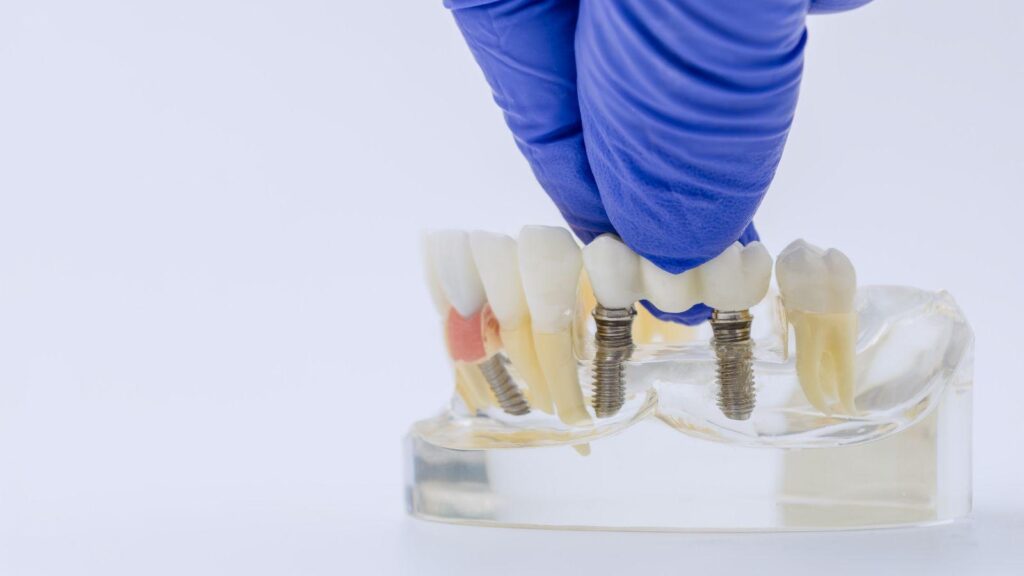
You can protect your dental implant by controlling the health habits that affect healing and bone stability. Good oral hygiene, a balanced diet, and avoiding tobacco or other harmful habits directly reduce infection risk and support long-term implant success.
Small, consistent changes to your daily routine can mean big improvements in how well your implant integrates and lasts. This matters even more with full arch dental implants in Pittsburgh, where the long-term payoff of solid daily habits is that much greater.
This article covers the health factors that matter most, what to eat for bone and gum health, how lifestyle choices influence your investment, and practical steps you can use for years. If you stick with these habits, you’ll likely get more mileage out of your dental work while keeping your mouth in shape.
Understanding Key Health Factors
Proper oral care, stable medical conditions, and knowing how medications affect healing all matter for your implant’s success. Daily hygiene, managing chronic illness, and checking your prescriptions help lower infection risk and support healing.
Role of Oral Hygiene in Implant Longevity
You’ve got to remove plaque every day to prevent peri-implant mucositis and peri-implantitis—those are the main reasons implants fail later on. Brush twice daily with a soft-bristled brush, use an interdental brush that fits between the implant and your other teeth, and don’t skip flossing or using a water flosser.
Professional maintenance makes a big difference. Book cleanings and implant checks every 3–6 months, depending on your risk. Your dentist will check the tissue, probe gently, and get rid of any buildup you missed.
Pay attention to symptoms. If you notice bleeding, swelling, a bad taste that won’t go away, or any looseness, reach out to your provider. Catching things early can save bone and stop bigger problems.
Impact of Chronic Illness on Implant Outcomes
Chronic conditions like diabetes or autoimmune diseases change how your body heals around implants. If your diabetes isn’t well-controlled (think HbA1c over 7%), your infection risk jumps and healing slows down.
Work with your doctor to get your blood sugar in line before and after surgery. Autoimmune diseases and immunosuppressant meds make healing tricky and raise infection odds.
Talk timing with your specialist and see if you need antibiotics or should delay elective procedures when your immunity’s low. Osteoporosis affects bone quality, so if you’re on bone meds, coordinate with your dentist—some drugs need special planning.
Regular X-rays help keep tabs on bone around your implant.
Medications and Their Influence on Healing
Certain meds—like those for bone turnover, blood thinners, or drugs that affect your immune system—can really impact healing. Blood thinners up your bleeding risk during surgery, so your doctor might tweak your dose while keeping clot risks in mind.
Always tell your dentist about every prescription and supplement. Bisphosphonates and denosumab (for osteoporosis) can cause rare jaw bone issues after dental work.
Your dentist and doctor should check how long you’ve been on them and only consider stopping them after a specialist weighs in. Steroids and other long-term immunosuppressants slow down wound healing and boost infection risk.
Your dental team might use antibiotics, gentler techniques, and longer follow-up to keep you safe.
Diet and Nutrition for Stronger Implants
Focus on foods that build bone and control inflammation. Stick to soft, protein-rich foods while healing, and drink enough to keep your mouth and tissues healthy.
Nutrients Essential for Osseointegration
Calcium and vitamin D help your body lay down bone around the implant. Try to get calcium from low-fat dairy, fortified plant milk, or leafy greens, and pick up vitamin D from safe sun or supplements if your dentist says so.
Protein gives your body what it needs to rebuild bone and tissue. Aim for 1.0–1.2 grams per kilo of body weight per day—lean meats, eggs, dairy, beans, or even a little whey powder if you’re recovering.
Vitamin C and zinc boost collagen and healing. Citrus, berries, bell peppers, oysters, and pumpkin seeds can cover you here without needing supplements unless your provider says otherwise.
Skip excess alcohol and keep blood sugar in check—both can mess with bone healing. If you drink often or have diabetes, get your care team to help you dial things in before and after your implant.
Foods to Support Healing and Recovery
Start with soft, nutrient-packed foods for the first week or two. Think Greek yogurt, mashed avocado, scrambled eggs, blended lentil soup, or smoothies with protein powder and fruit.
Move to firmer foods only after your dentist gives the okay. Chew on the other side and stick with things like chopped veggies, baked fish, or tender chicken to avoid stressing the implant.
Hold off on crunchy, sticky, or hard foods—nuts, popcorn, chewy candy—for at least 6–8 weeks, or longer if your dentist says so. These can mess up healing or overload the implant.
Here’s a quick meal checklist:
- Get protein at every meal
- Two servings of vitamin C-rich fruits or veggies each day
- One calcium-rich food with breakfast or dinner
- No alcohol or smoking while you heal
Hydration and Its Effect on Oral Health
Saliva fights germs and clears food bits, but dehydration cuts saliva and ups infection risk. Try to drink 2–3 liters of water daily, unless your doctor says otherwise.
Staying hydrated moves nutrients to the surgery spot and keeps your mouth tissues healthy. Sip water between meals and after taking meds.
Skip sugary and acidic drinks—they raise cavity risk and can irritate tissue. If you love coffee or tea, drink extra water to balance it out.
Lifestyle Choices and Their Effect on Implants
Your habits shape how well you heal, how stable your bone stays, and how long the tissues around your implant last. Even small tweaks can cut infection risk and keep your implant healthy.
Tobacco Use and Implant Failure Risks
Smoking or chewing tobacco really ups your risk of implant failure. Nicotine tightens blood vessels, so less oxygen and nutrients get to your gums and bone, making it harder for the implant to fuse.
Tobacco also messes with your immune system and lets more bacteria hang around the implant, raising the chance of infection and bone loss. People who smoke more than 10 cigarettes a day see higher failure rates.
If you use tobacco, try to quit or at least cut back before surgery and during healing. Ask your dentist about quitting tools or nicotine replacement—just a short break can lower your risk of problems.
Alcohol Consumption and Oral Tissue Health
Drinking heavily slows down healing and weakens your immune system, which isn’t great for implants. Alcohol dries out your mouth and messes with collagen, so your gums take longer to heal and infection risk goes up.
Alcohol can also clash with meds like antibiotics or painkillers, making them less effective or causing weird side effects. Over time, heavy drinking hurts your nutrition and bone health, which can wear down the bone around your implant.
Cut back on alcohol before and after surgery, and follow your surgeon’s advice on timing. If you drink often, let your provider know so they can tailor your care and keep an eye on your healing.
Maintaining Your Investment Long-Term
Regular dental care, keeping an eye on changes, and sticking with daily hygiene keep implants strong. Schedule cleanings, watch for early warning signs, and build habits that stick.
Routine Dental Visits and Professional Cleanings
Show up for checkups as your dentist recommends—usually every 3 to 6 months for the first year, then at least every 6–12 months after that. These appointments include exams, X-rays if needed, and a good cleaning to get rid of stuff you can’t reach.
Tell your dentist if you’ve had gum disease, smoke, have diabetes, or take meds that affect healing—these can change how often you need to come in and how they clean around your implant. Pros use implant-safe tools and rinses to avoid scratching anything.
Write down your appointments and book the next one before you leave the office. If your provider suggests a maintenance plan—like extra cleaning, antibiotics, or bite adjustments—follow through to protect your implant.
Recognizing Early Warning Signs
Keep an eye out for bleeding, redness, swelling, or more sensitivity around your implant when you brush. These can be early signs of trouble and need a quick check to prevent bone loss.
Notice any changes in your bite, a loose crown, or a bad taste or discharge that won’t go away. If your implant feels wobbly, stop chewing hard stuff on that side and call your dentist right away.
Track your symptoms—when they start, how long they last, and what sets them off—to help your dentist figure things out faster. Also, let your team know about any new meds, blood sugar changes, or recent cancer treatments, since these can affect your implant’s outlook. If something feels off, don’t wait until your next visit—reach out sooner.
Creating Sustainable Daily Habits
Brush twice a day with a soft-bristled brush, or grab your electric toothbrush if that’s more your style. Pay extra attention to the implant crown margins and those tricky pontic spots.
Stick with low-abrasive fluoride toothpaste. It’ll help protect both your restoration and the teeth next door.
Clean between your teeth once daily. Try floss made for implants, or use interdental brushes with gentle nylon bristles. Water flossers on a low setting work too, though not everyone loves them.
Focus on a 1–2 minute routine for each implant. That way, you actually clear away the biofilm instead of just going through the motions.
Try to avoid smoking and cut back on alcohol—both slow down healing and can raise your risk of infection. If you have diabetes, do your best to keep your blood sugar steady.
Follow any medication instructions, especially if they affect your bones. Maybe keep a small checklist at home to track your daily hygiene and jot down any missed steps. It’s easy to forget, and a little nudge can help you stay on track.